Backed by our 30-day guarantee.
Most insoles just add foam and hope. Move absorbs the impact at the source — the instant your foot hits the ground — before it travels up to your shins, knees, and hips. Less load per stride means less breakdown over the miles, and legs that are ready to go again tomorrow.
Move was co-founded by Damian Lillard to solve his own foot pain and keep him on the court. It's built by the same sports podiatrists who design custom orthotics for pros, shaped from 120,000+ foot scans, and trusted by 25 NBA teams. Chris Paul is an investor.
Custom-level support — without the custom price. Built like a sneaker, inside your shoe.
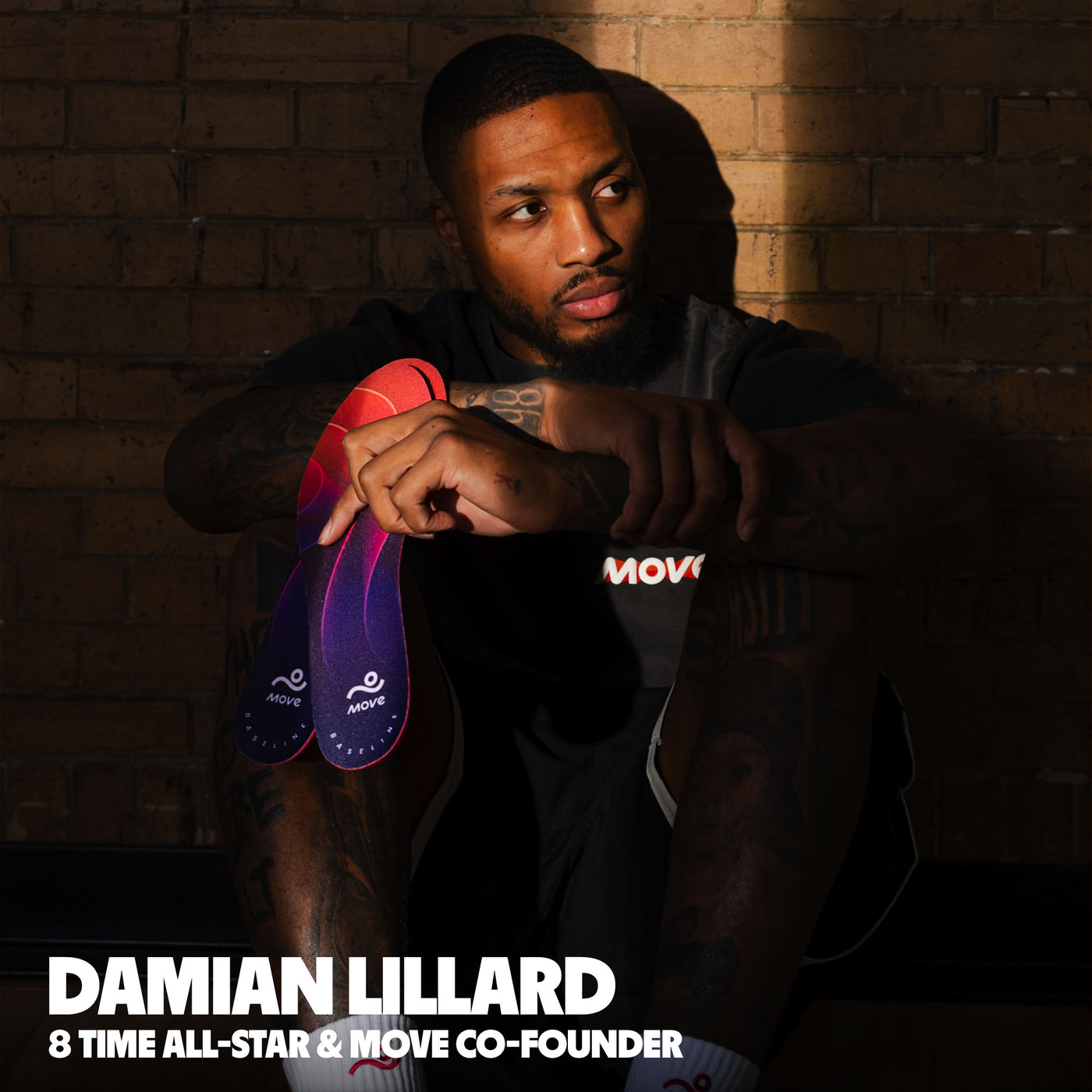
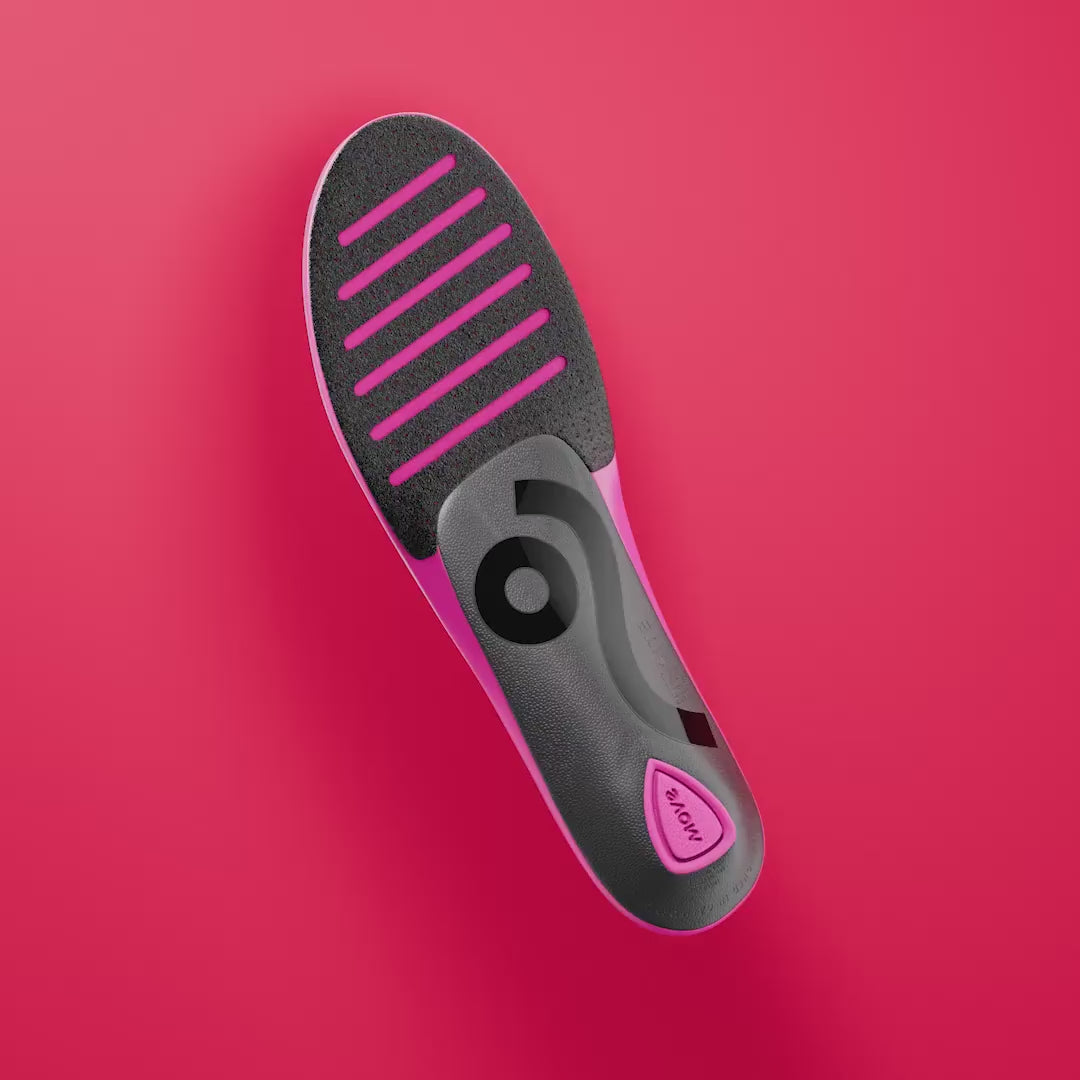
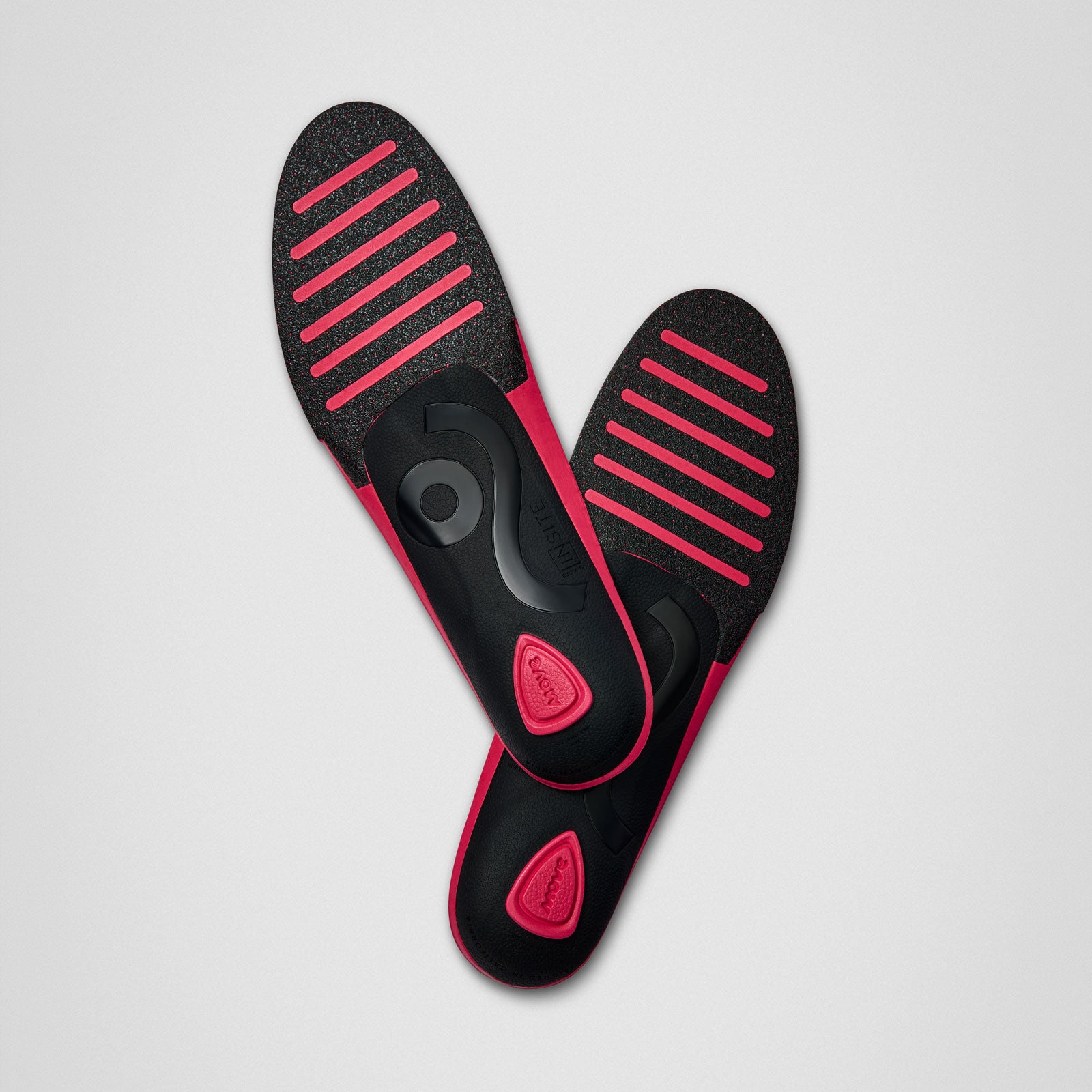
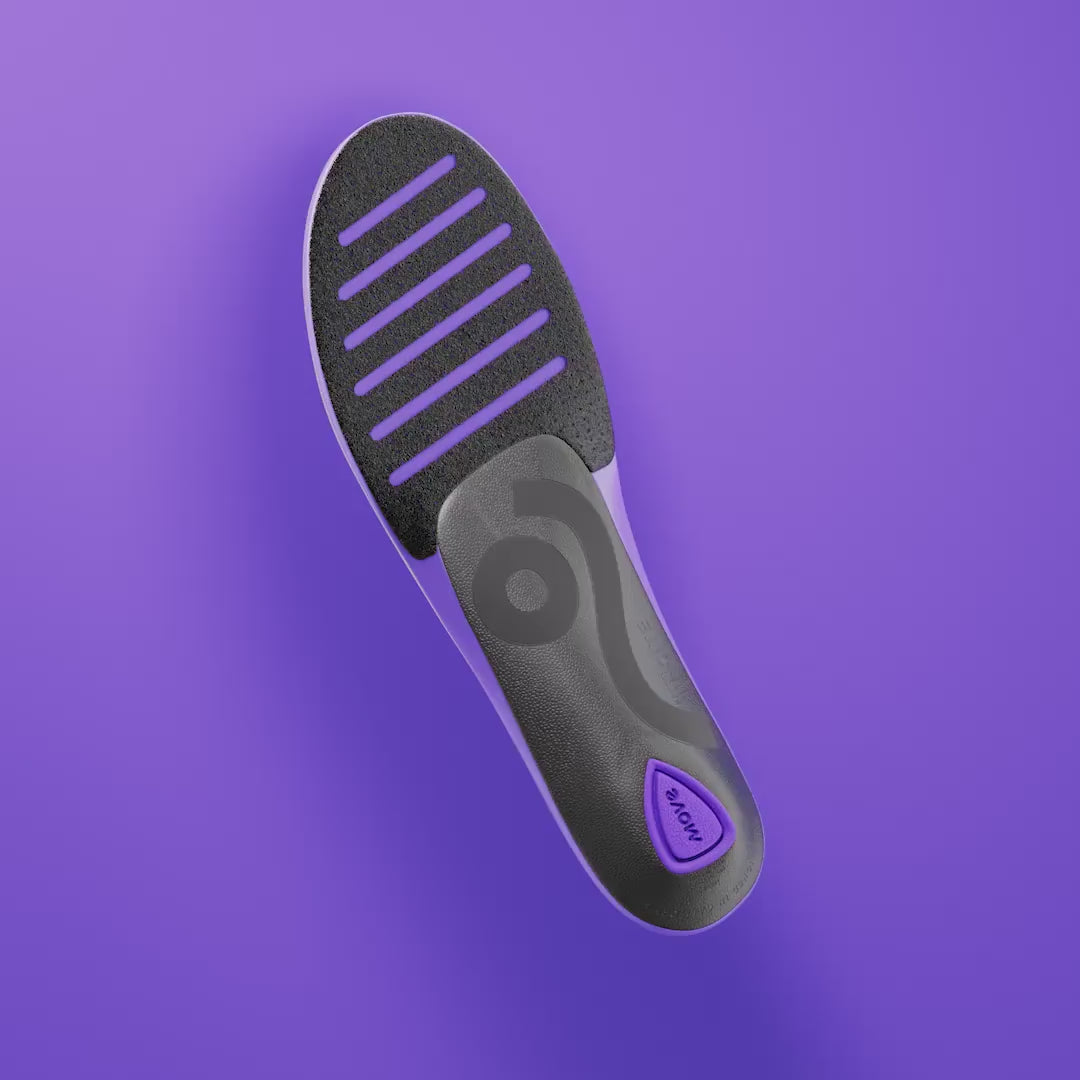
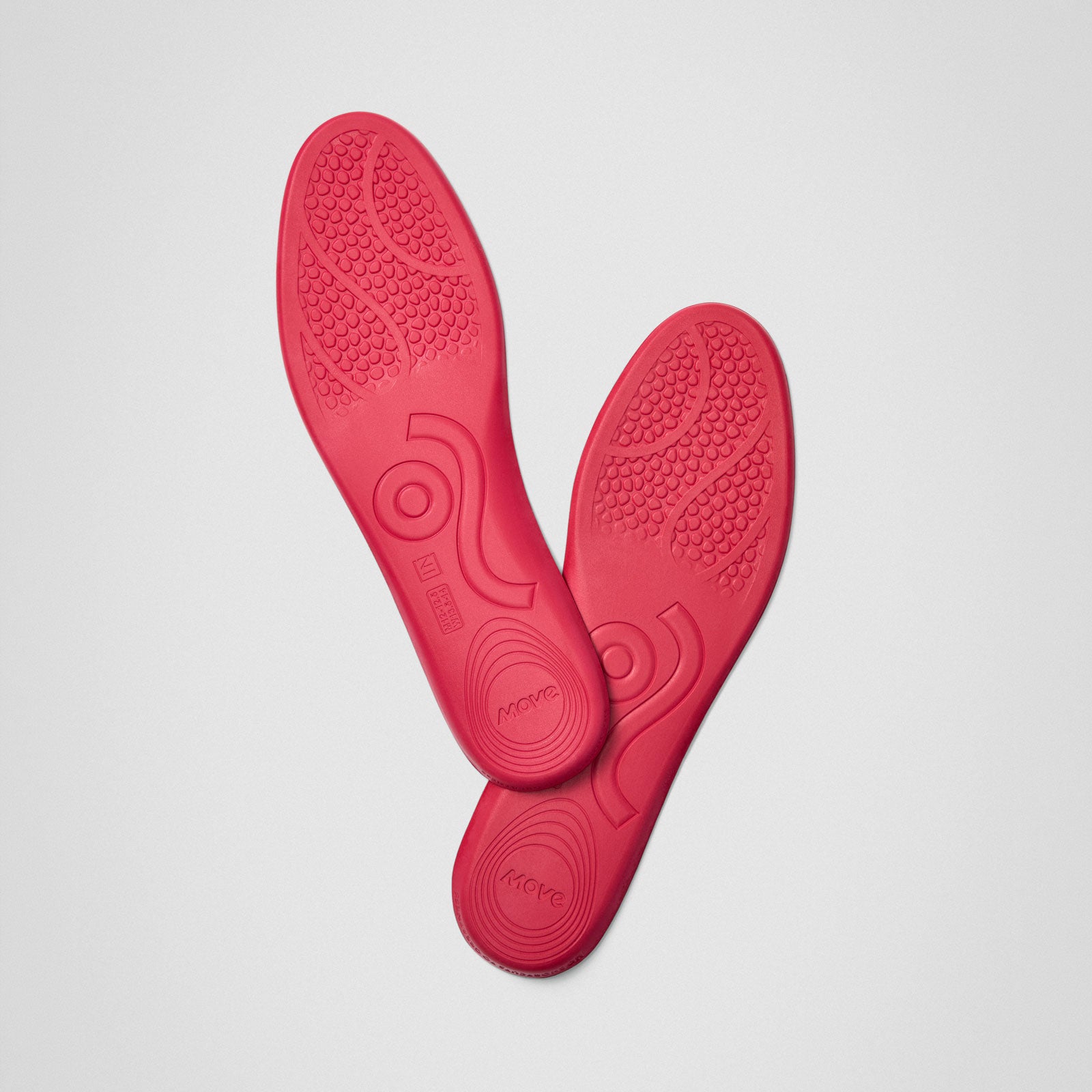
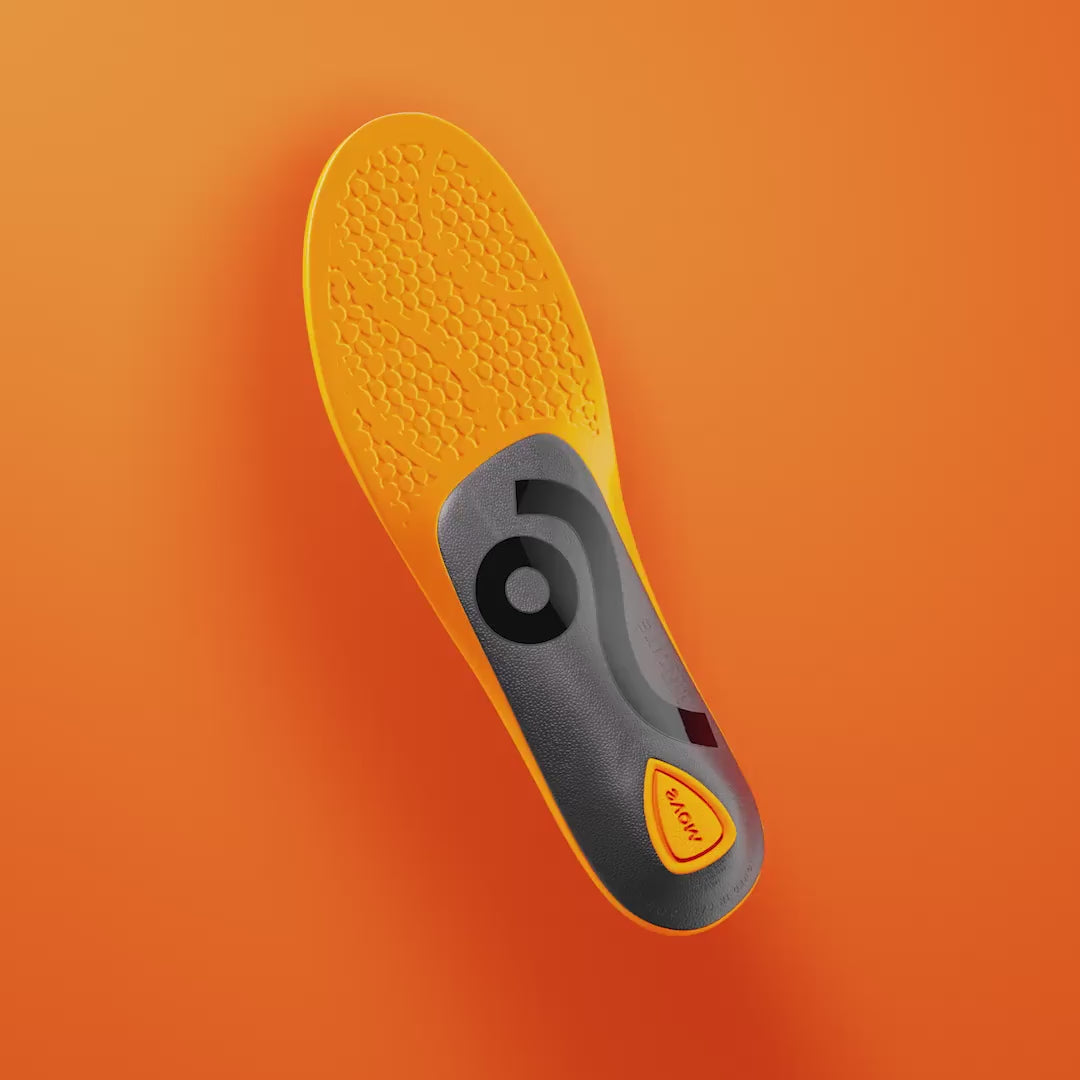
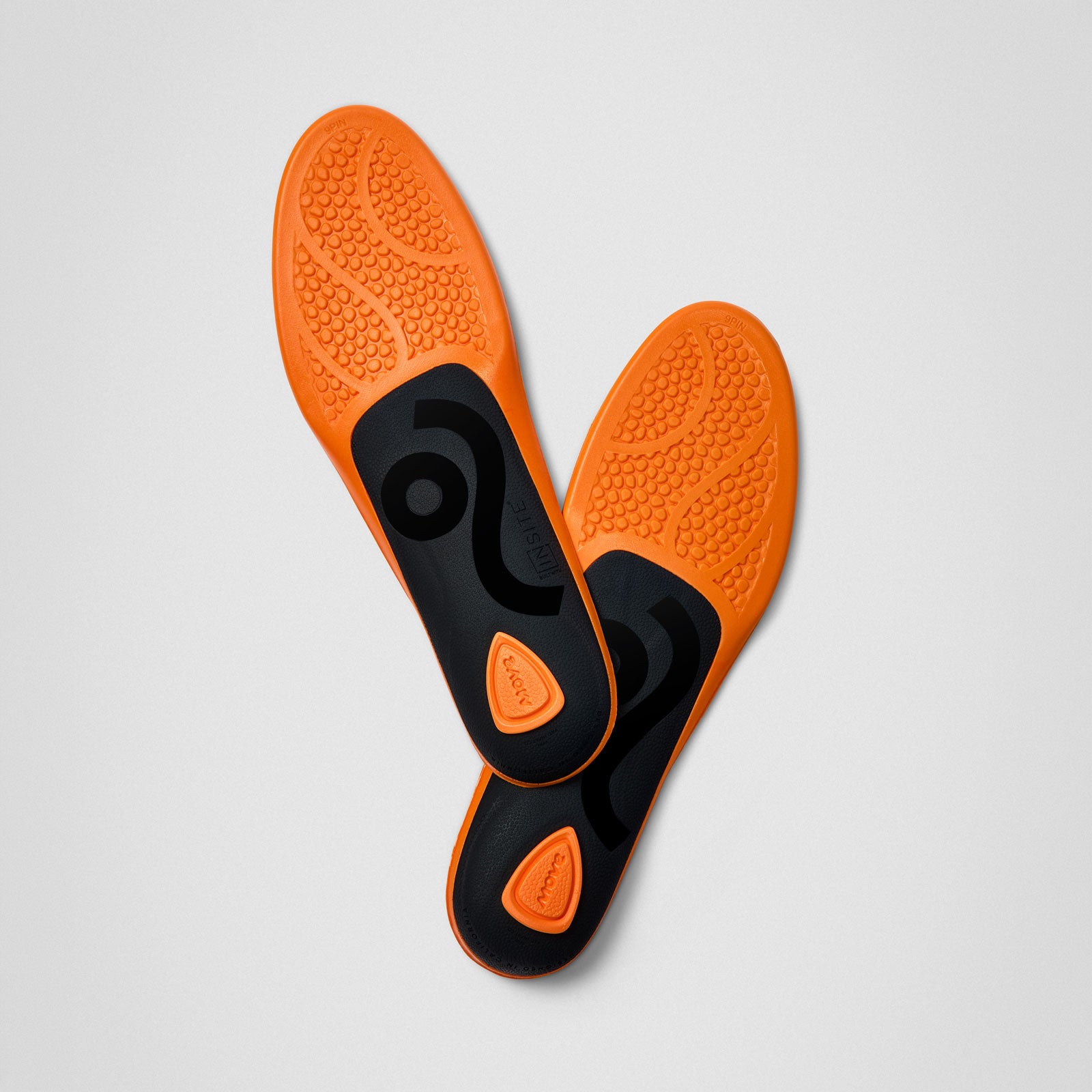
Underneath every Move insole is a single engineered shape we call the Move Platform. It's the alignment system. The arch support. The structural foundation everything else sits on top of.
Built from 120,000 three-dimensional foot scans and tuned to fit 85% of feet straight out of the box — the fit that used to cost a custom mold and a $400 office visit.
For runners: it holds your arch and heel exactly where they belong for thousands of strikes in a row, so impact gets absorbed instead of collapsing into your joints.
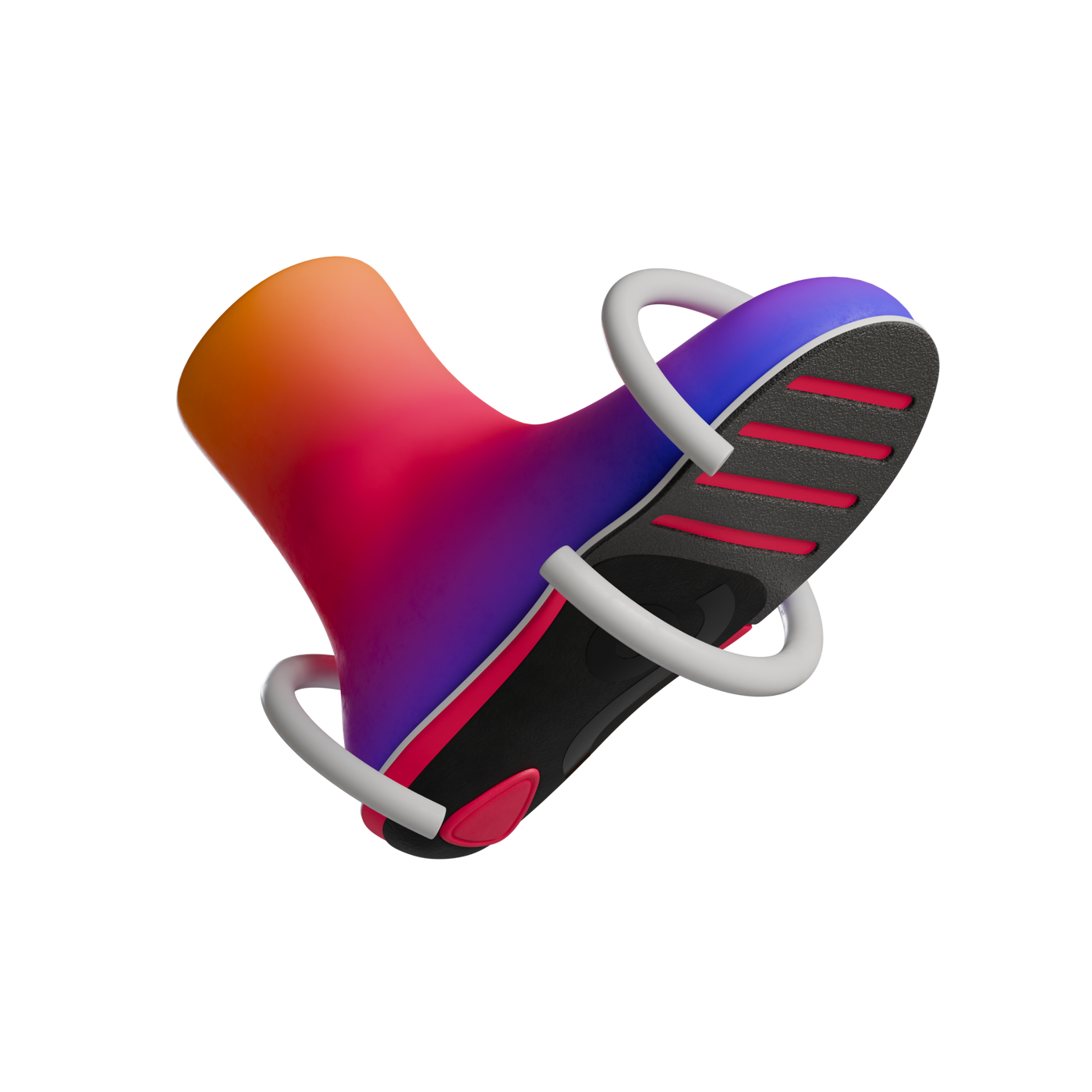
Running is the most repetitive high-impact thing you can do to your body. Every stride sends roughly 2.5x your body weight down through your foot — about 450 lb for a 180-lb runner. You take around 1,500 of those strikes every single mile. It adds up faster than you think.
That's the load your shins, knees, and hips eat every time you run. Move cuts it by about 50% — so half that force never travels up the chain. Half the pounding. Half the wear. More miles before something gives.
Your foot is your foundation, and every stride starts there. Whatever shock your foot doesn't absorb, your ankle deals with. Whatever the ankle misses, your knee handles. Whatever the knee can't take, your hip and low back finally pay for.
Shin splints, runner's knee, plantar fasciitis — they're what happens when the foundation gives out and the load climbs the chain. Sports science calls it the kinetic chain: your body is one connected system, and the foot is the first link. Fix the first link and everything above it works less hard.
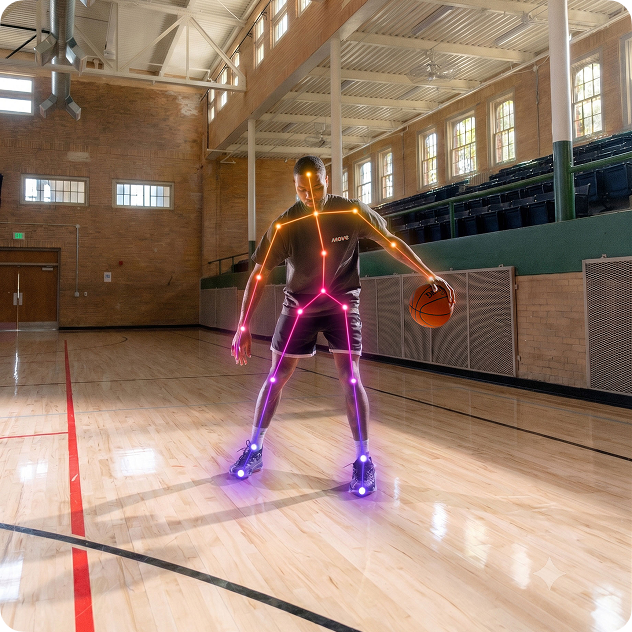
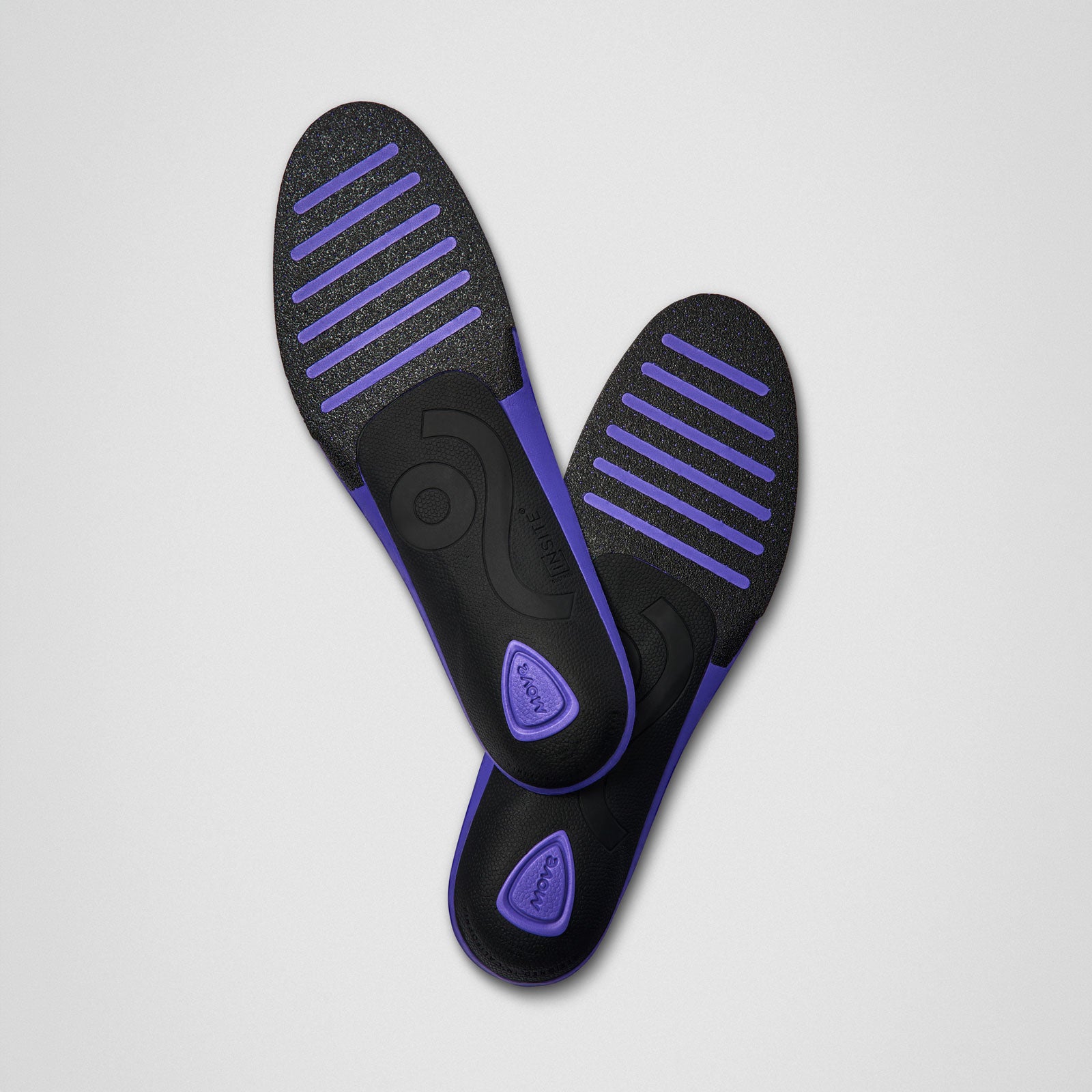
Move works on two fronts. On the run, the two-foam stack takes a bite out of impact before it climbs the chain — about 50% gone at the source. Off the run, All Day keeps the recovery going so you show up fresh for tomorrow's miles.
Run the math: ~1,500 strikes a mile, ~450 lb each. Over three miles that's roughly a thousand tons your body has to process. Move pulls it down by about half — the difference between legs that are done and legs that can go again.
Stop pounding through it. Start running again.
Yes — and it's mostly about staying fresh. Every stride sends impact up through your body, and Move absorbs about half of it at the source, so your legs hold up over the miles and recover faster for the next run. Fresher feet and joints mean you run better, longer, and hit your peak more often — whether you're chasing a PR or just getting your miles in.
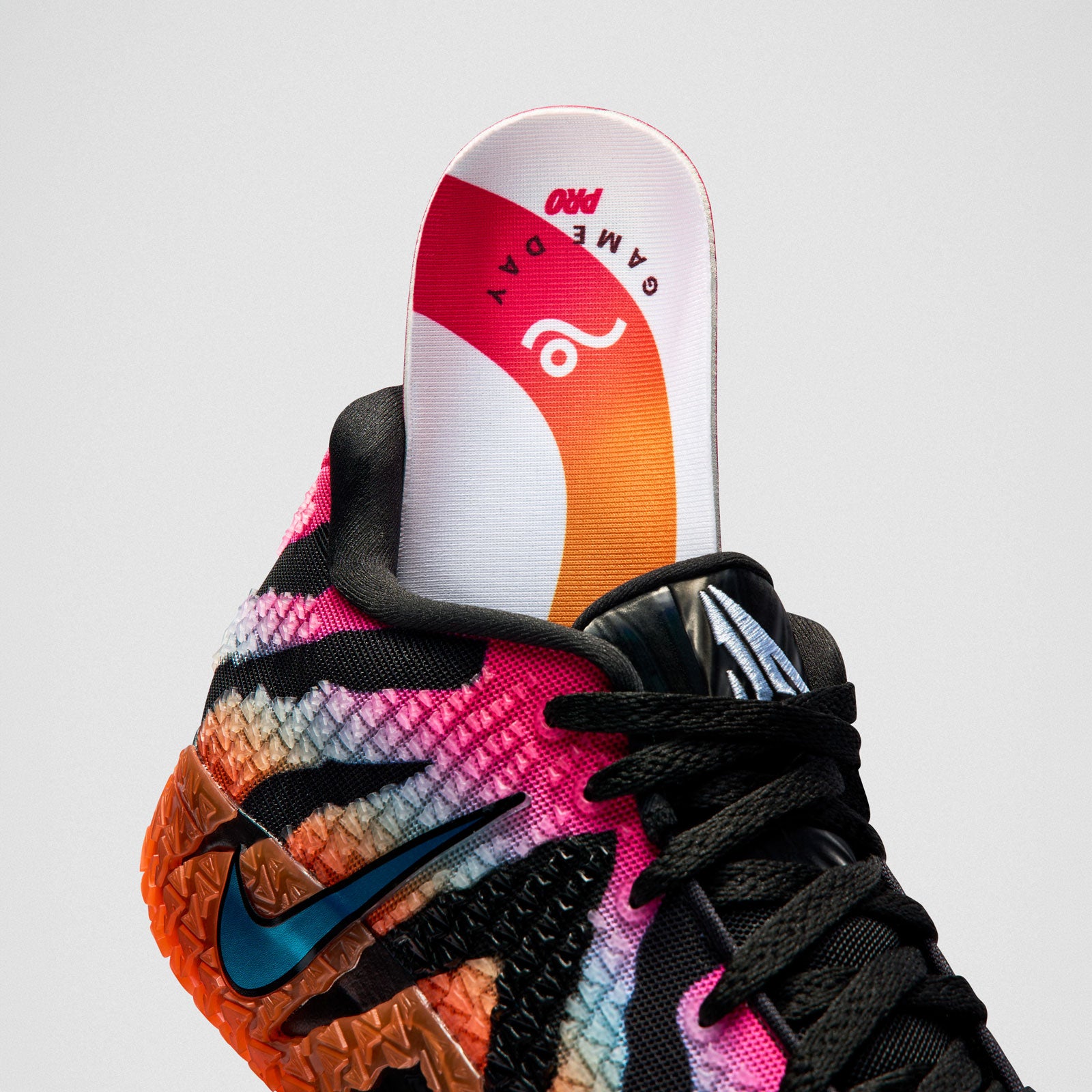
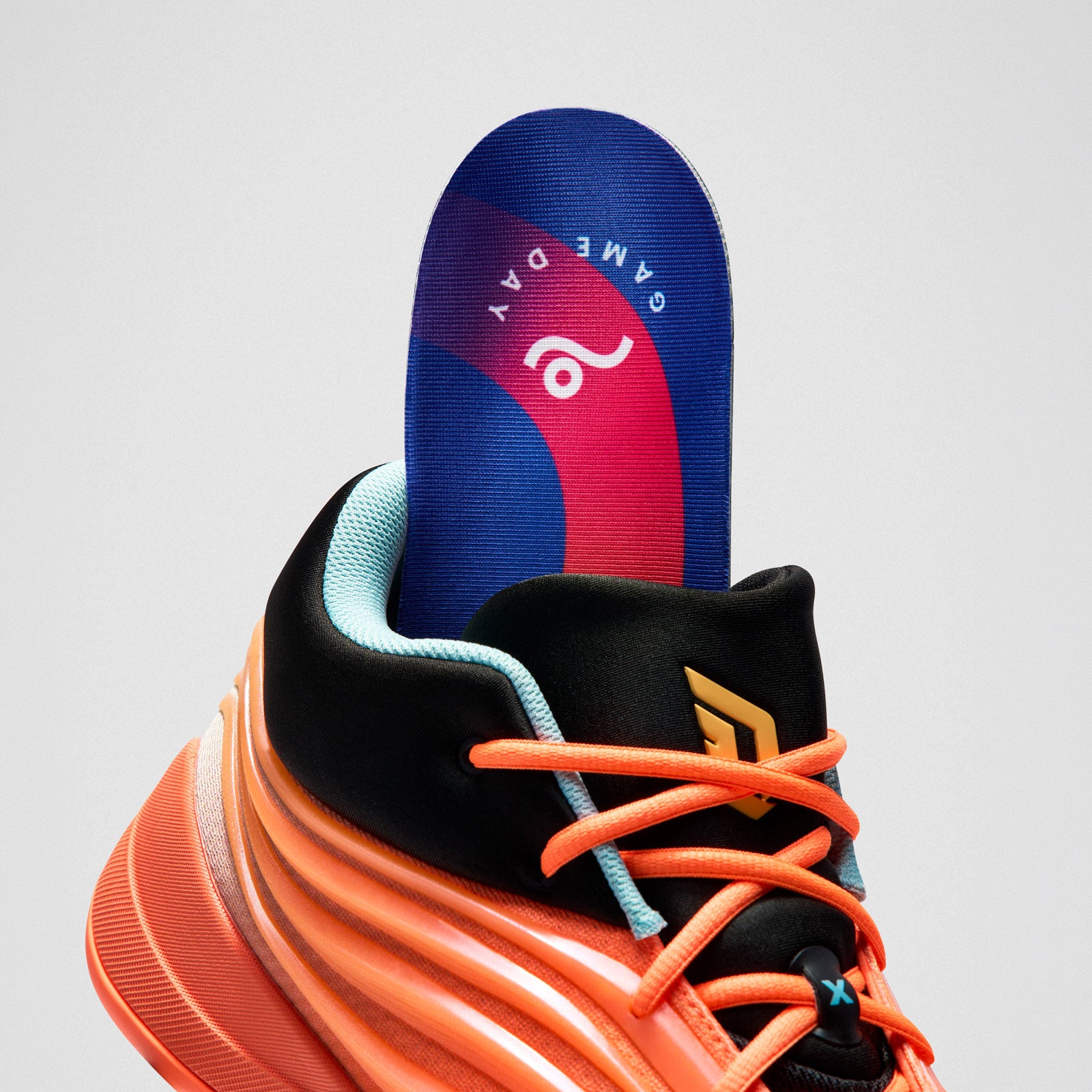
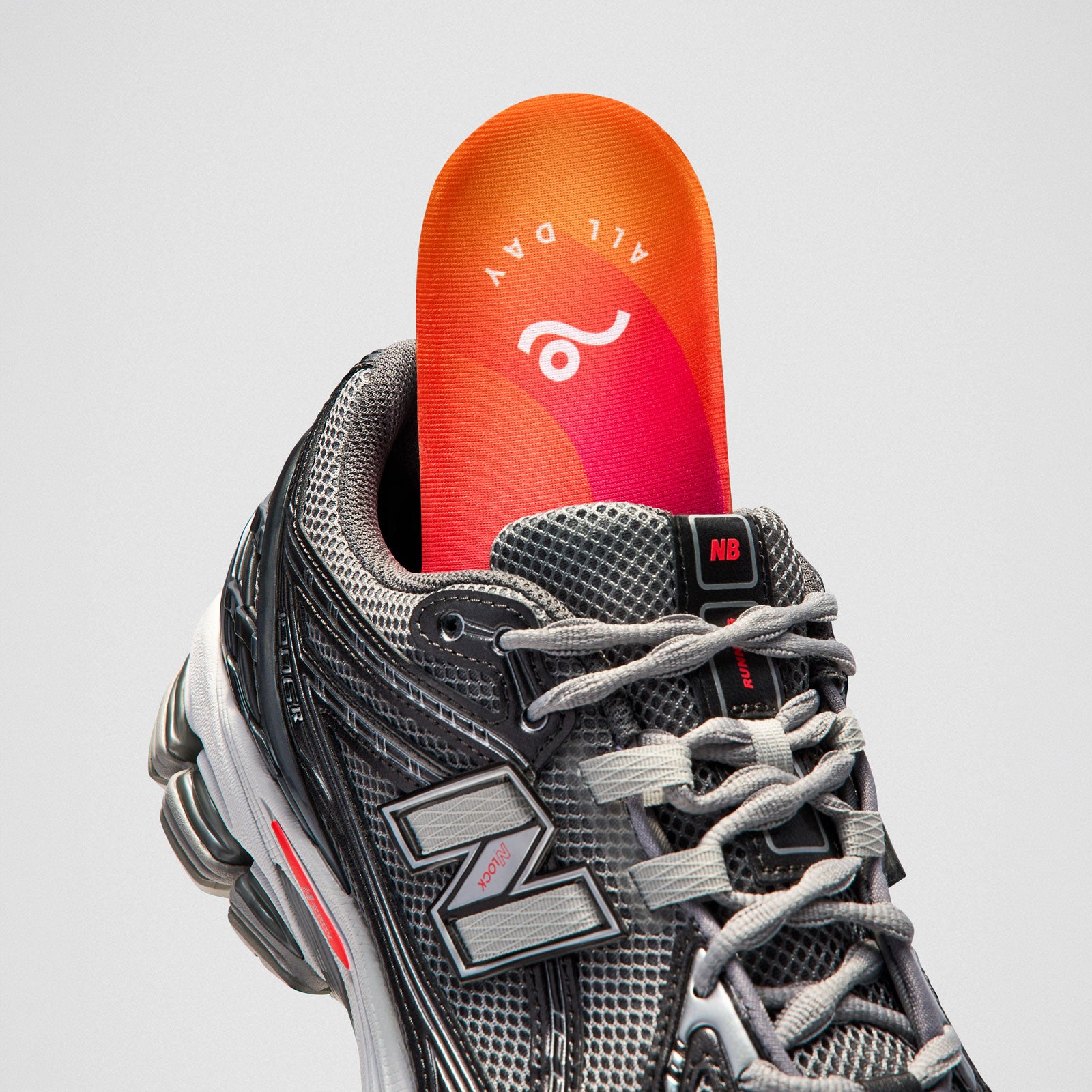
Yes. Move insoles replace the stock insole that comes with your shoe, fitting true to size with no cutting or trimming needed. They work across road shoes, trail shoes, and everyday trainers, so whether you're running park run on Saturday or commuting on foot during the week, the same support carries through.
Yes — it's what Game Day Pro was built for. Dame designed it to run through his own foot pain. The podiatrist-shaped arch holds the fascia in its natural position so it isn't pulled and re-inflamed on every stride, and the two-foam stack absorbs about 50% of the impact that aggravates it. Pair it with All Day off your feet to keep the fascia recovering between runs.
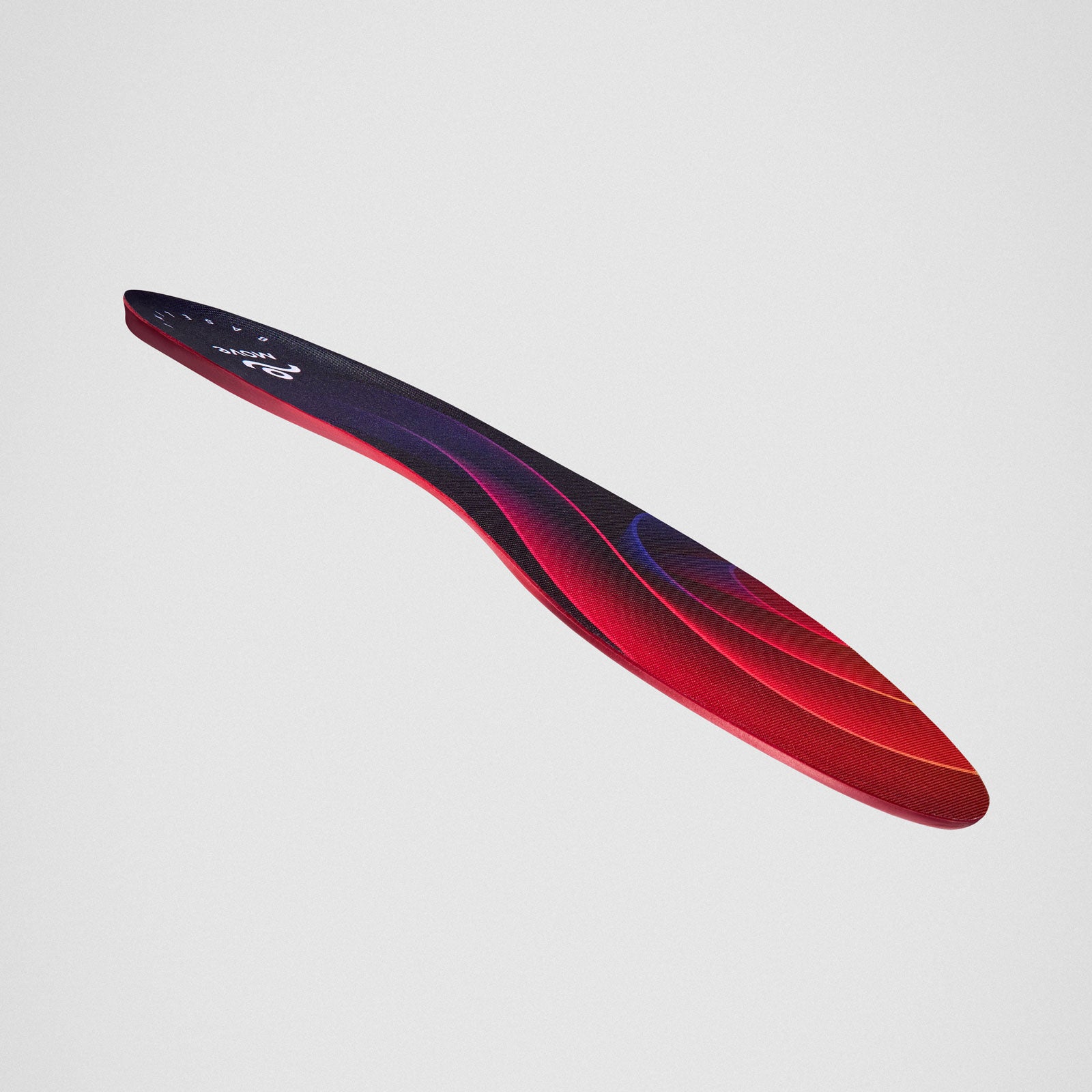
Move is built like a sneaker inside your sneaker — a real two-foam system, a podiatrist-designed shape, and a deep heel cradle, all engineered for athletic impact instead of just standing around. There's no guessing an arch size and no 'trim to fit': the Move Platform is shaped from 120,000 foot scans to fit 85% of people custom, right out of the box. Drop them in and go. It's a premium, custom-level experience — without the custom price.
Four insoles, one platform, each tuned for a different need:
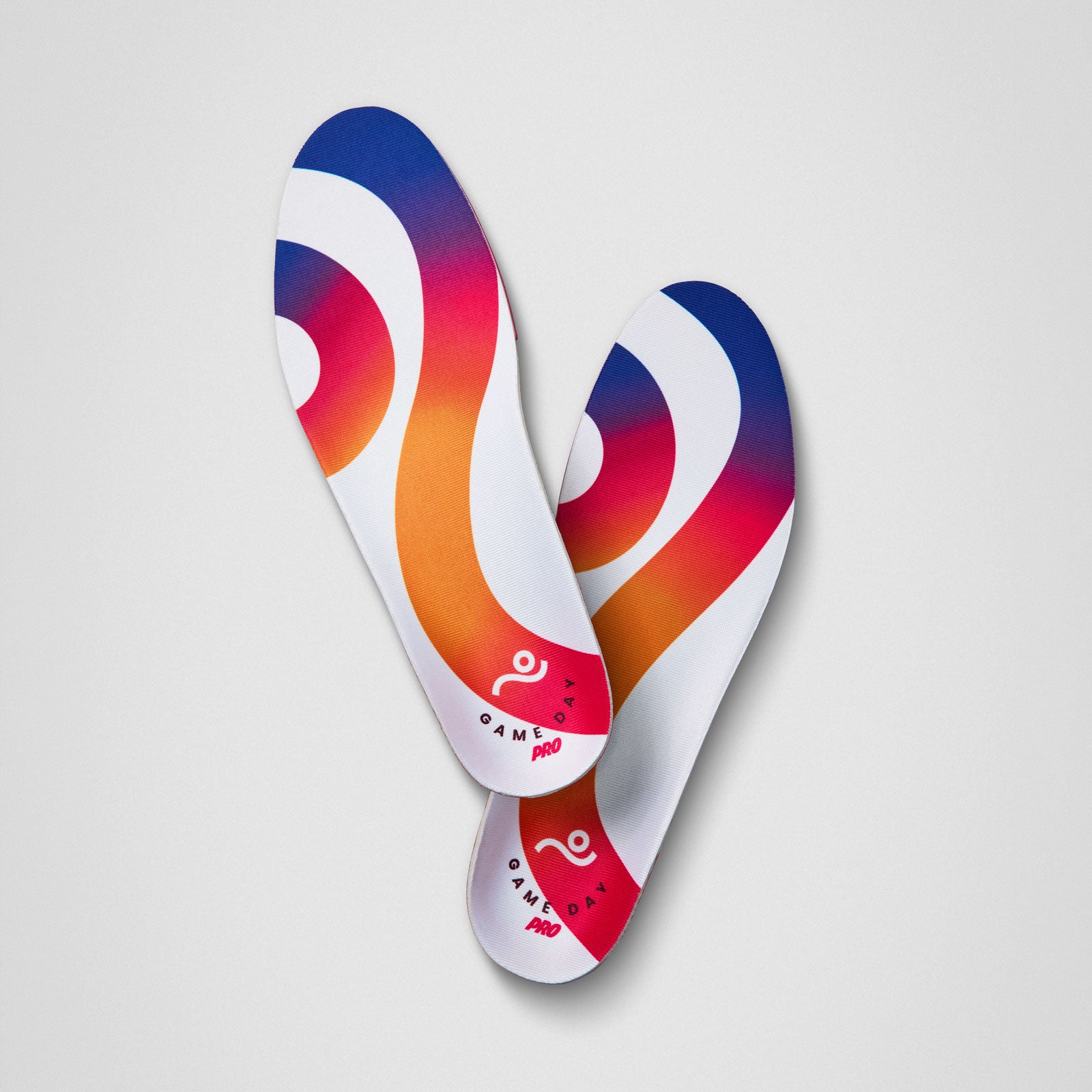
Game Day Pro — our top performance insole. Maximum support and the full two-foam impact system. The one Dame plays in.
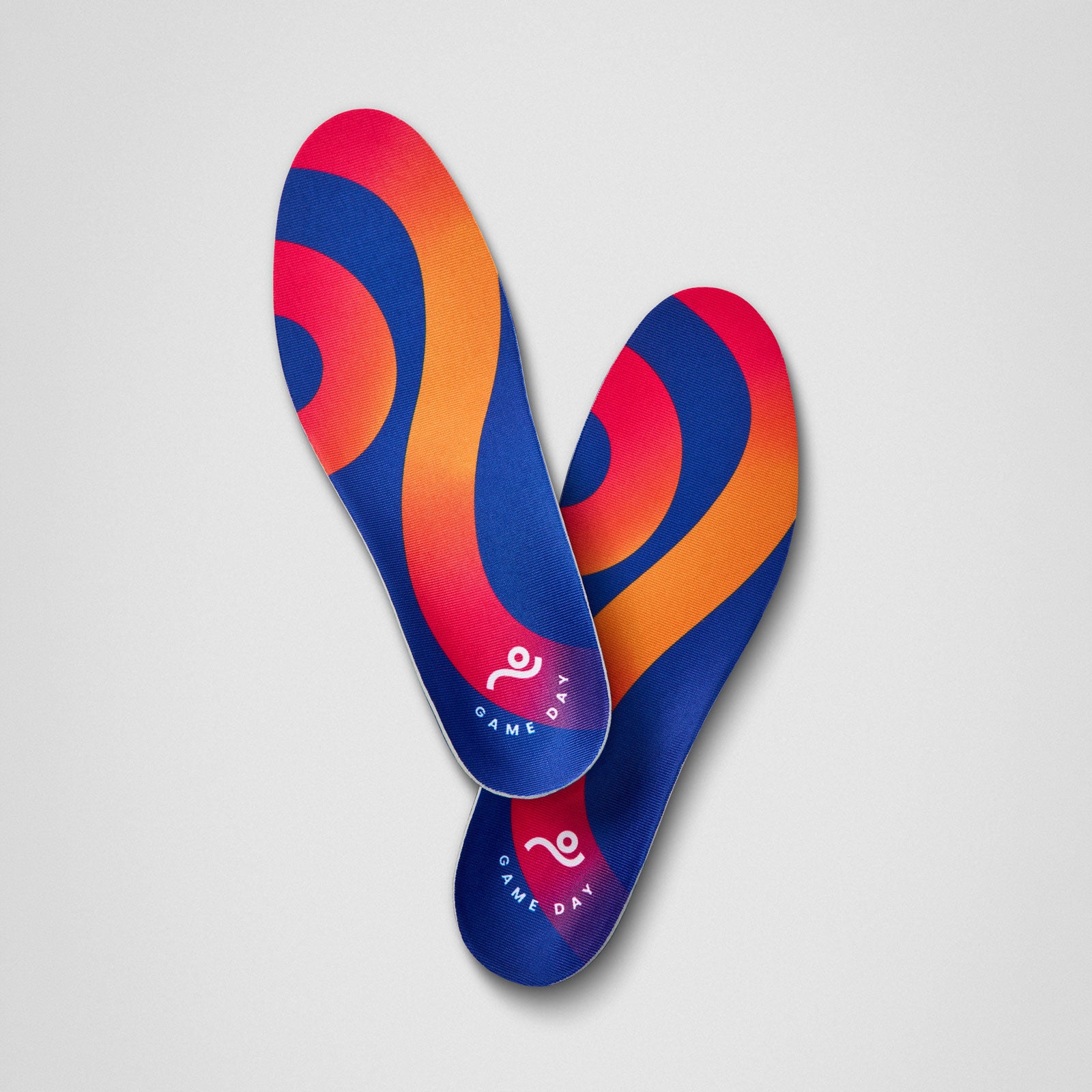
Game Day — the all-around performer. Balanced support and impact protection at a lower price.
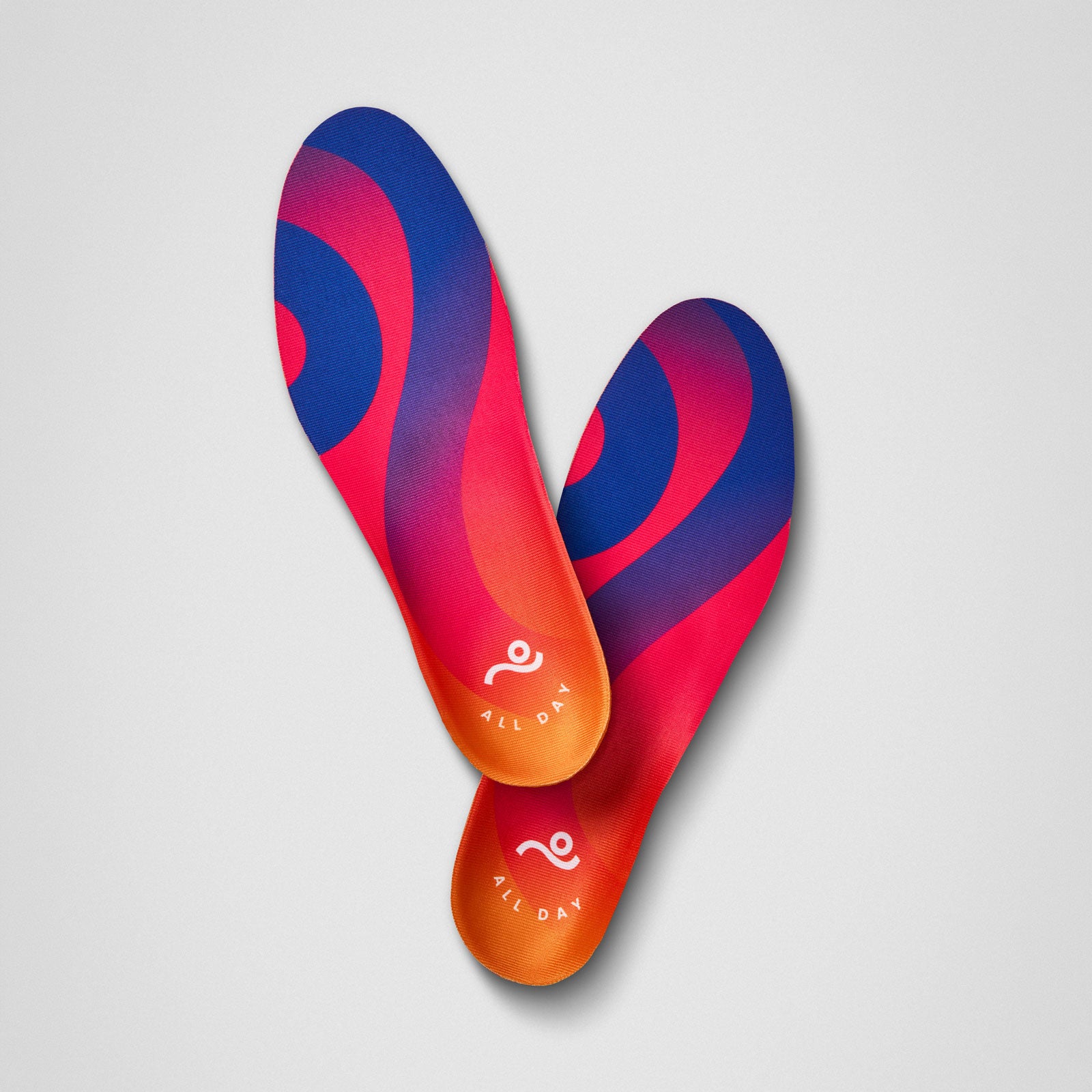
All Day — the recovery insole. Plush, cushioned comfort for everyday shoes and the hours between sessions.
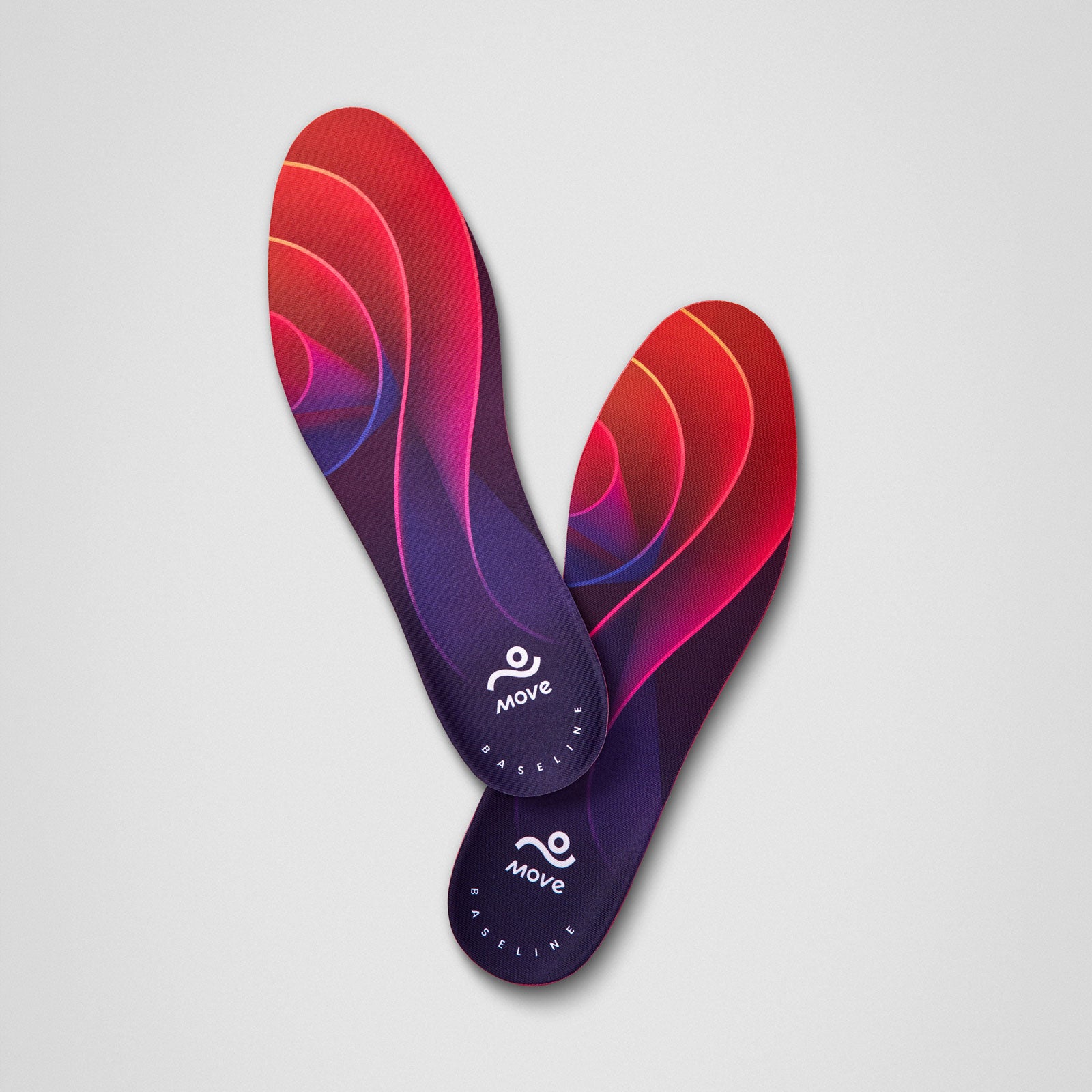
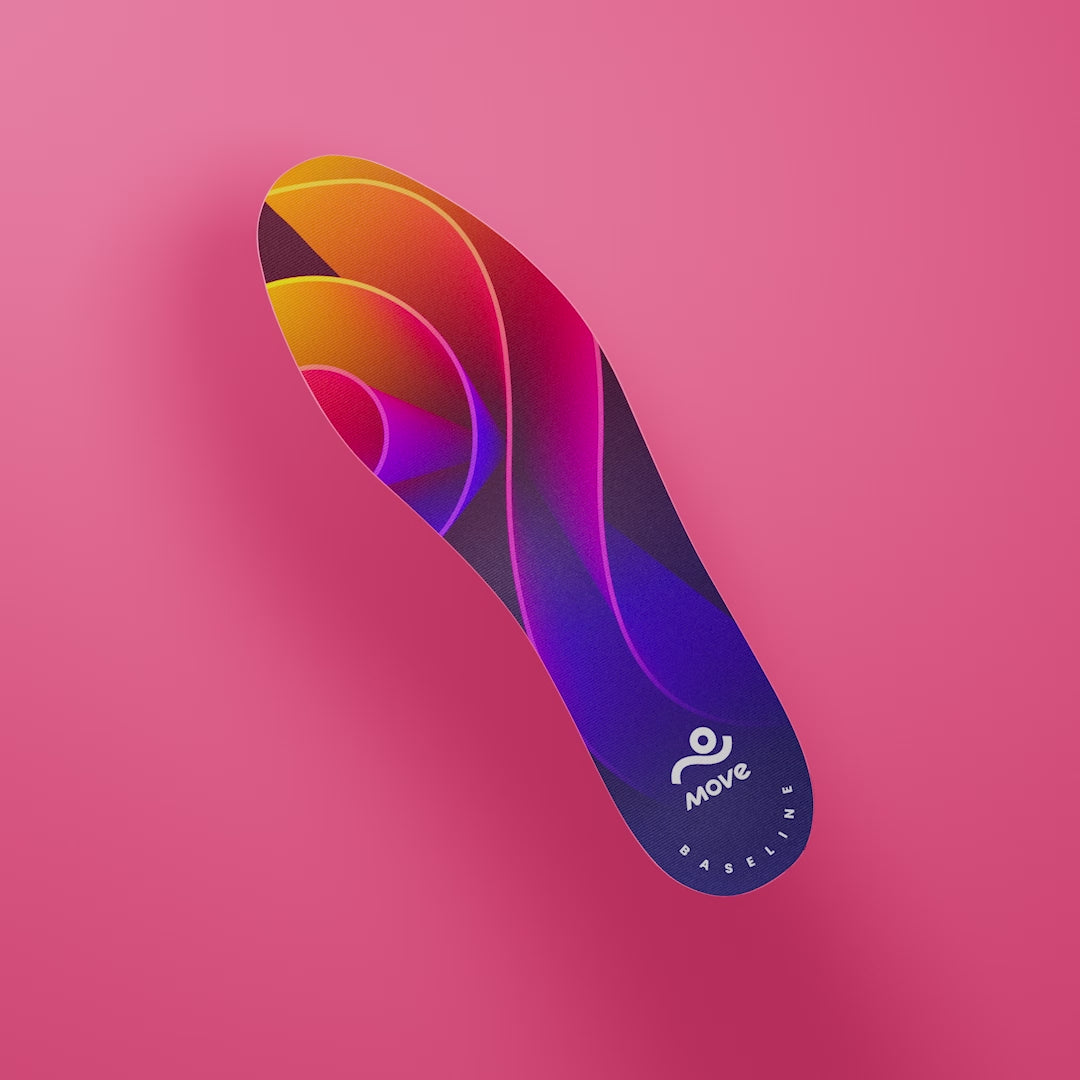
Baseline — a neutral, low-profile feel with no added arch support, but real shock relief and rebound. The pick if you want thin and simple.
Most athletes go Game Day Pro (or Game Day) for the action and add All Day for recovery.
Both issues are common signs of cumulative load exceeding what your body is currently conditioned for. Game Day insoles reduce the impact travelling up from the foot on every stride, taking pressure off the shin. They won't replace rest or a gradual training build, but they meaningfully reduce the load your legs are dealing with every time you run.
With three to four runs per week, Move insoles typically hold up for a full season before the cushioning and energy response starts to diminish. Good rule of thumb: replace them when you'd replace your shoes.
Most running injuries don't arrive suddenly - they build quietly over weeks of accumulated load until something gives. Plantar fasciitis, shin splints, and knee pain are almost always the result of stress that went unmanaged for too long. Wearing the right support from the start means you're absorbing that load before it has a chance to compound, rather than managing the consequences of it after the fact.