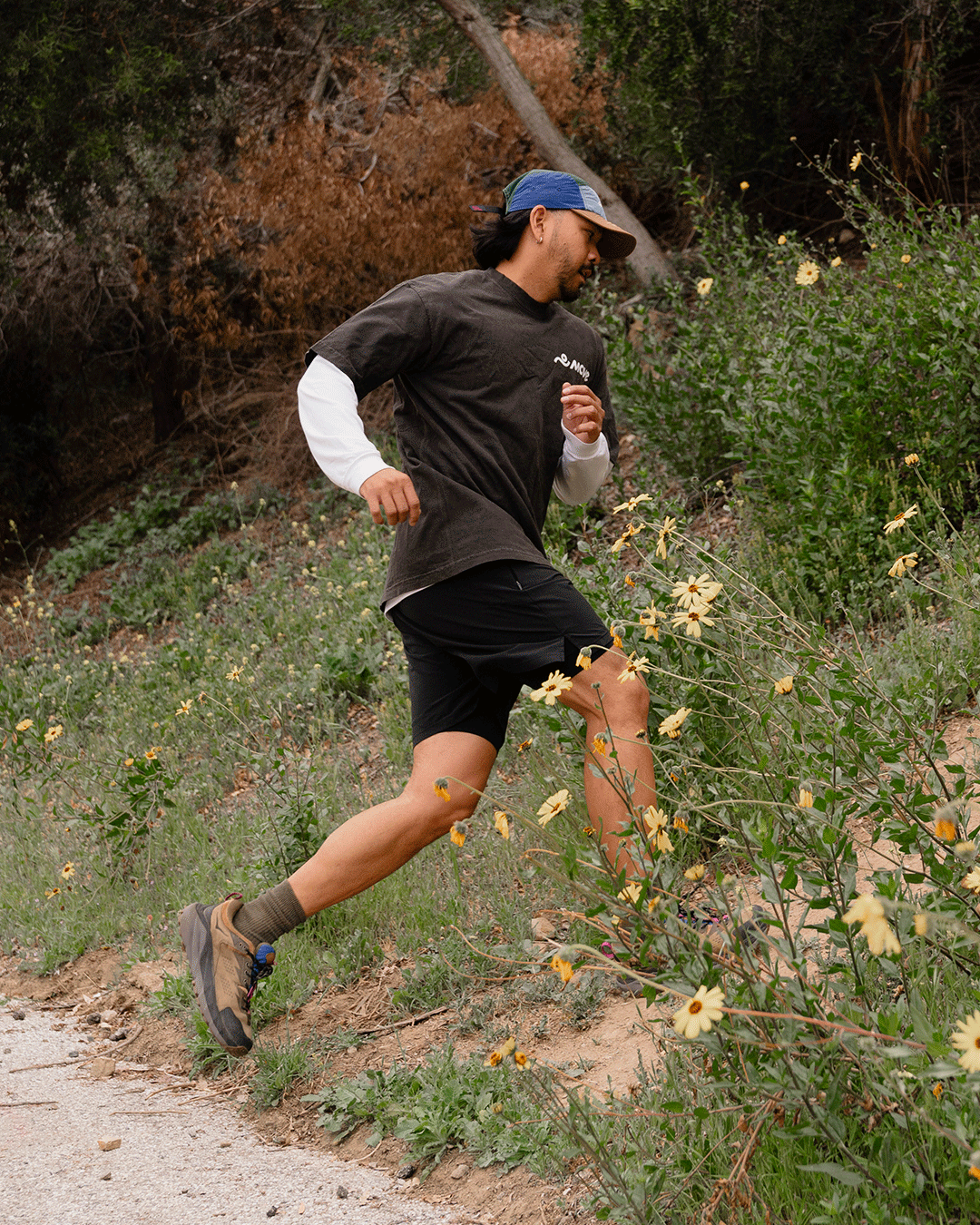
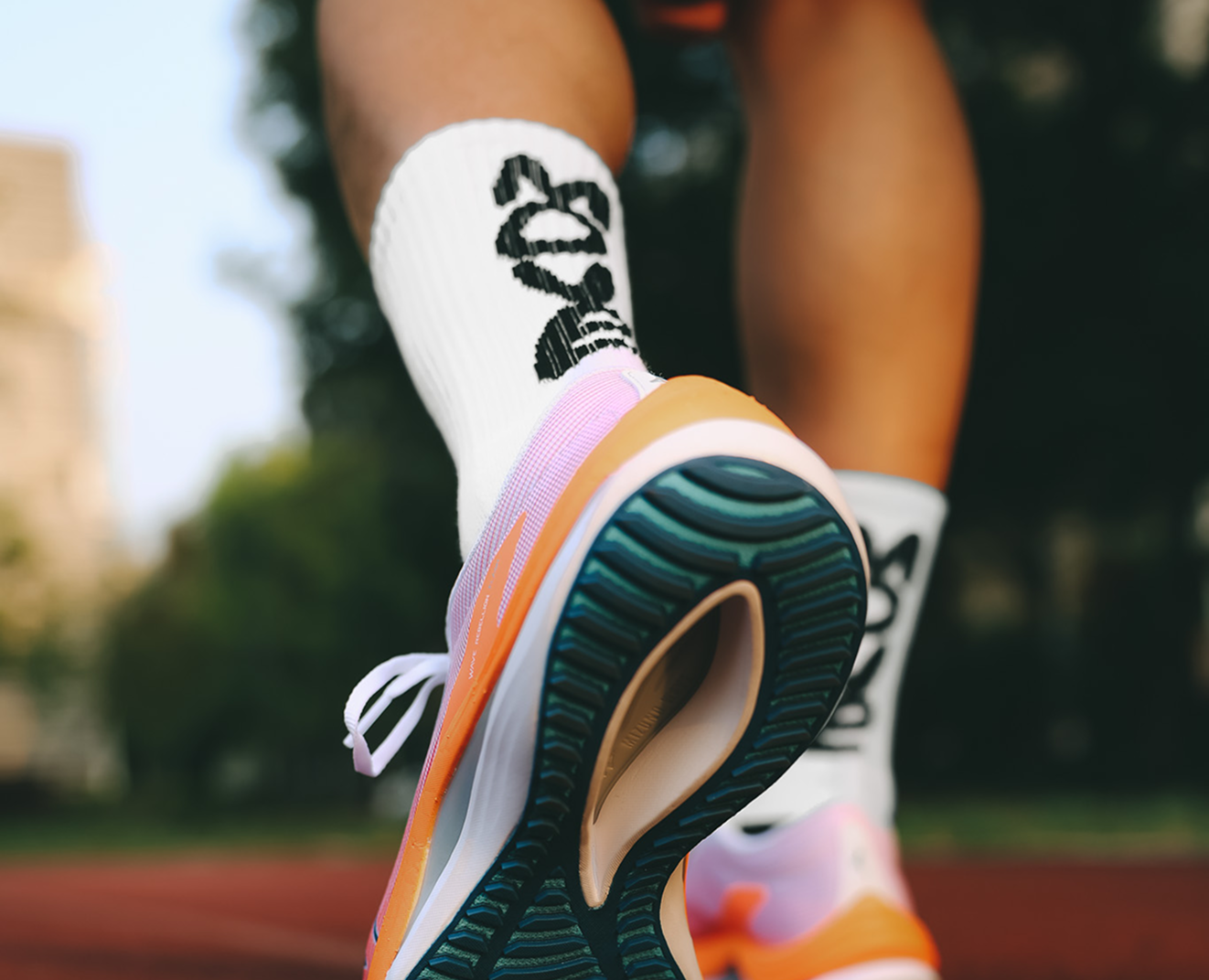
Compression socks worn post-run actively accelerate calf recovery
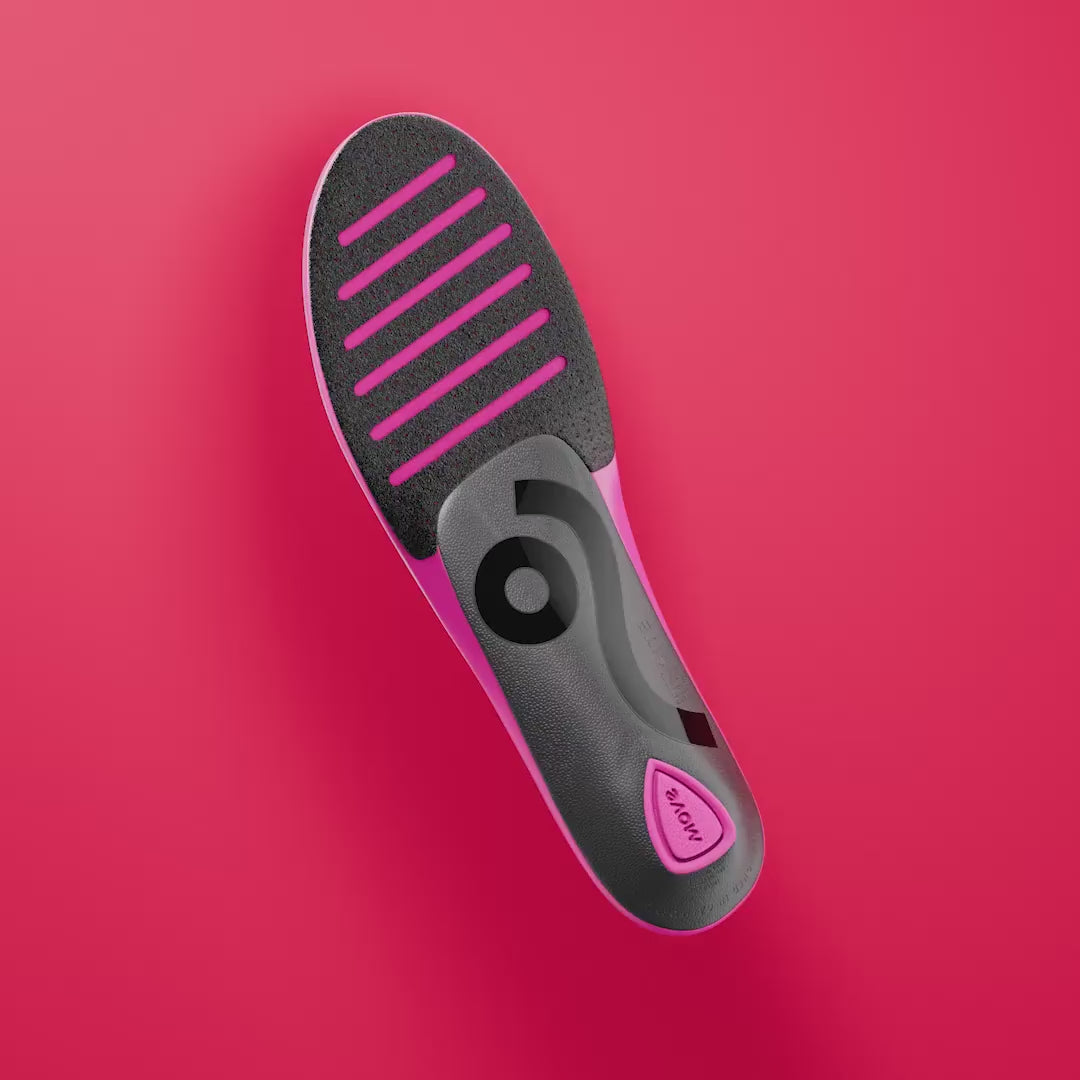
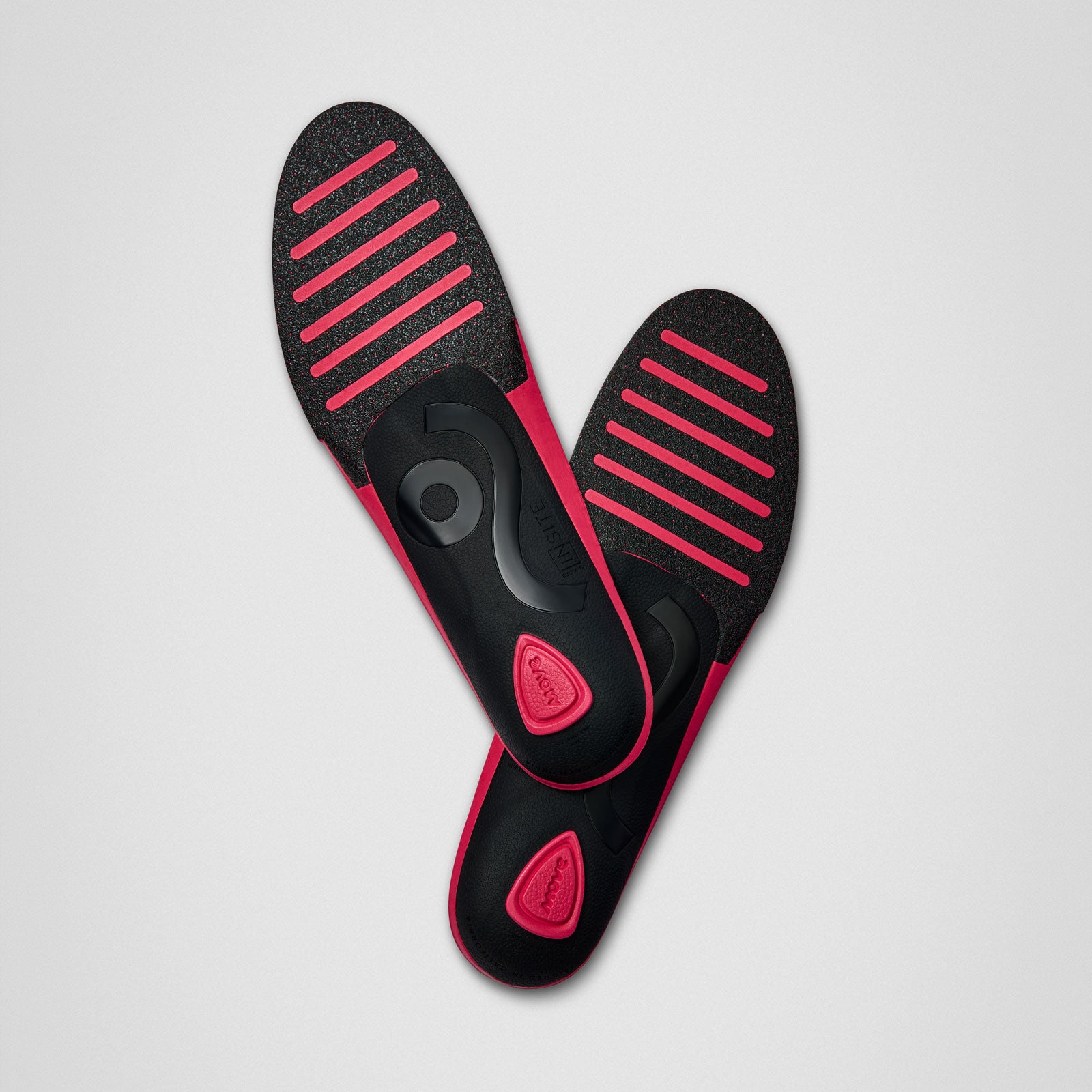
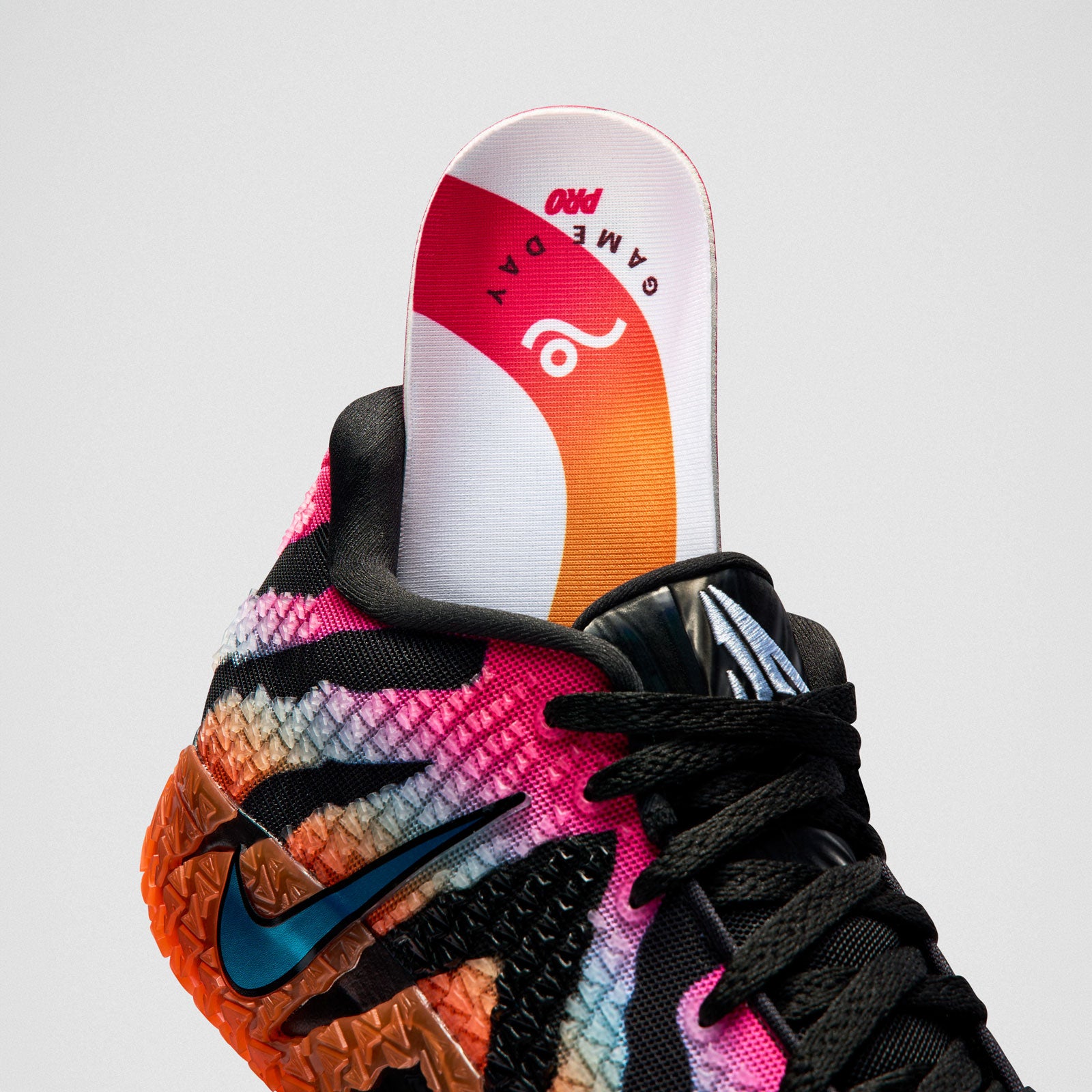
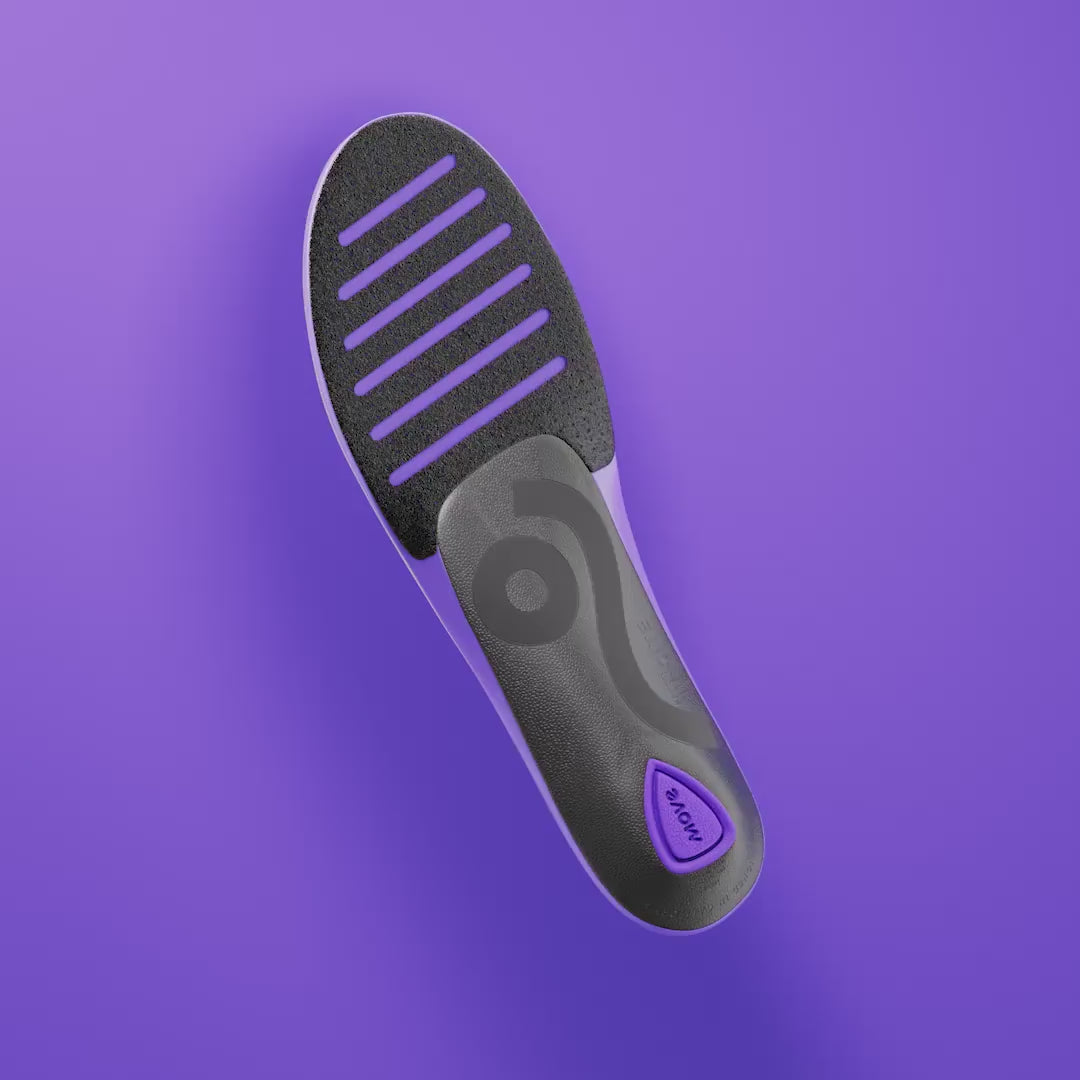
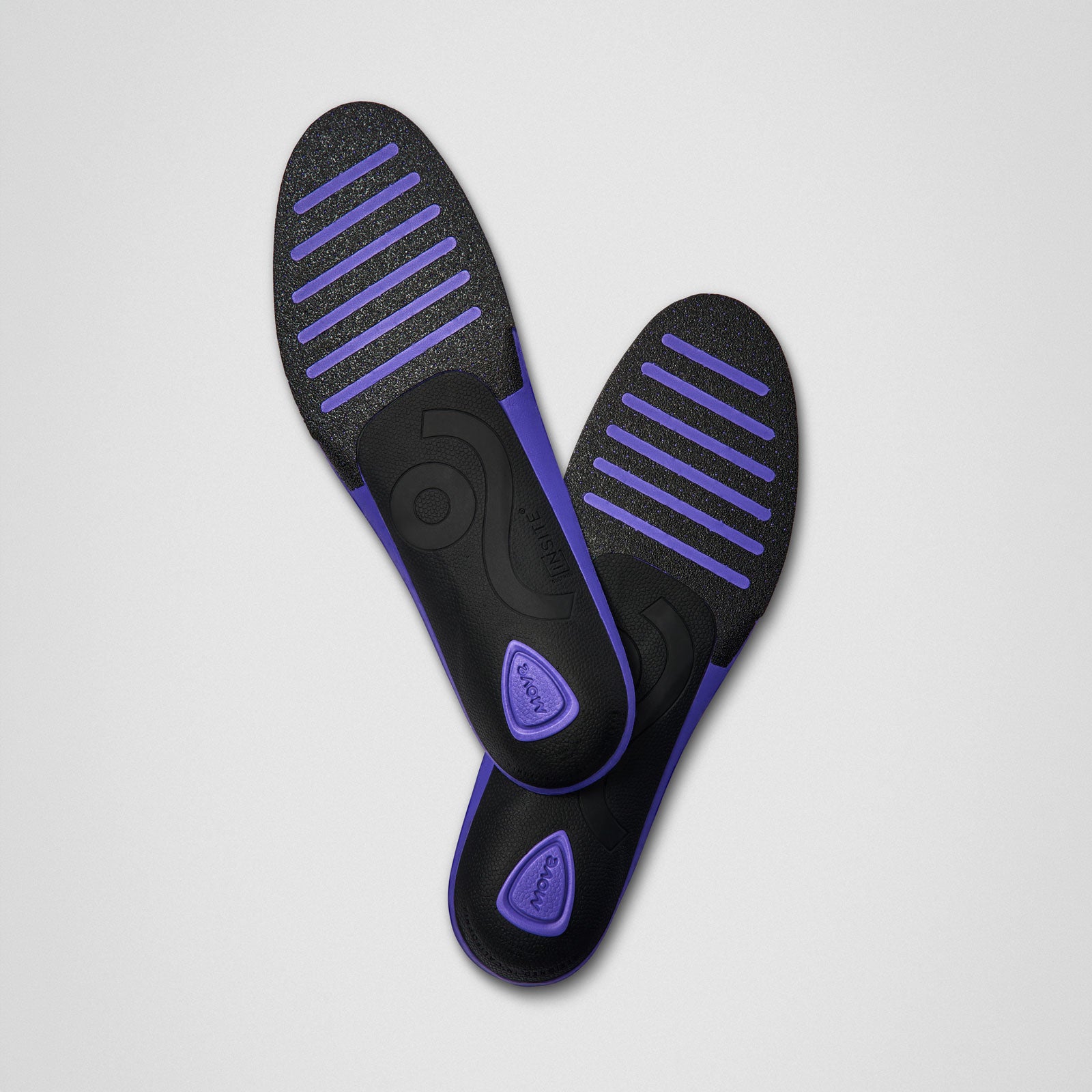
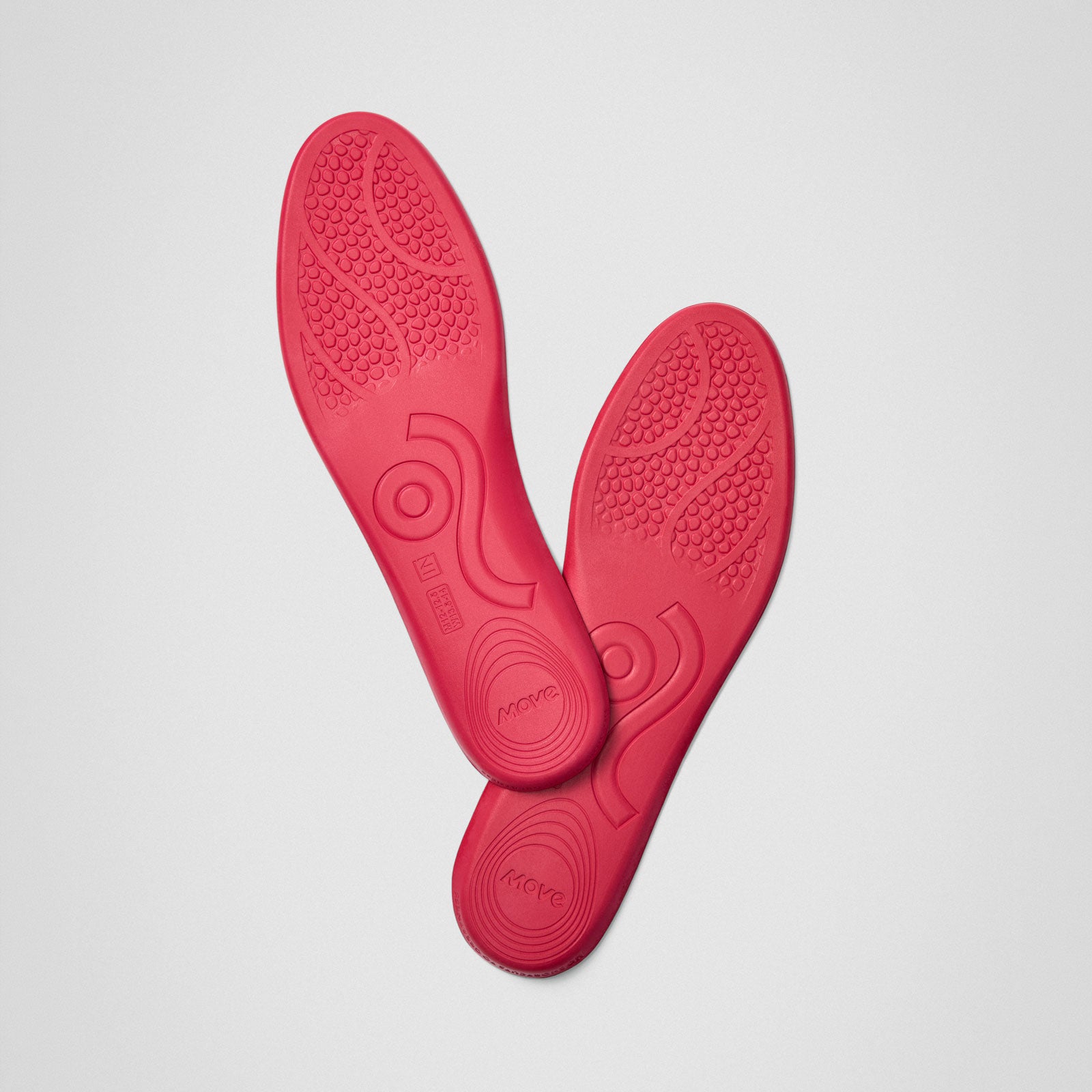
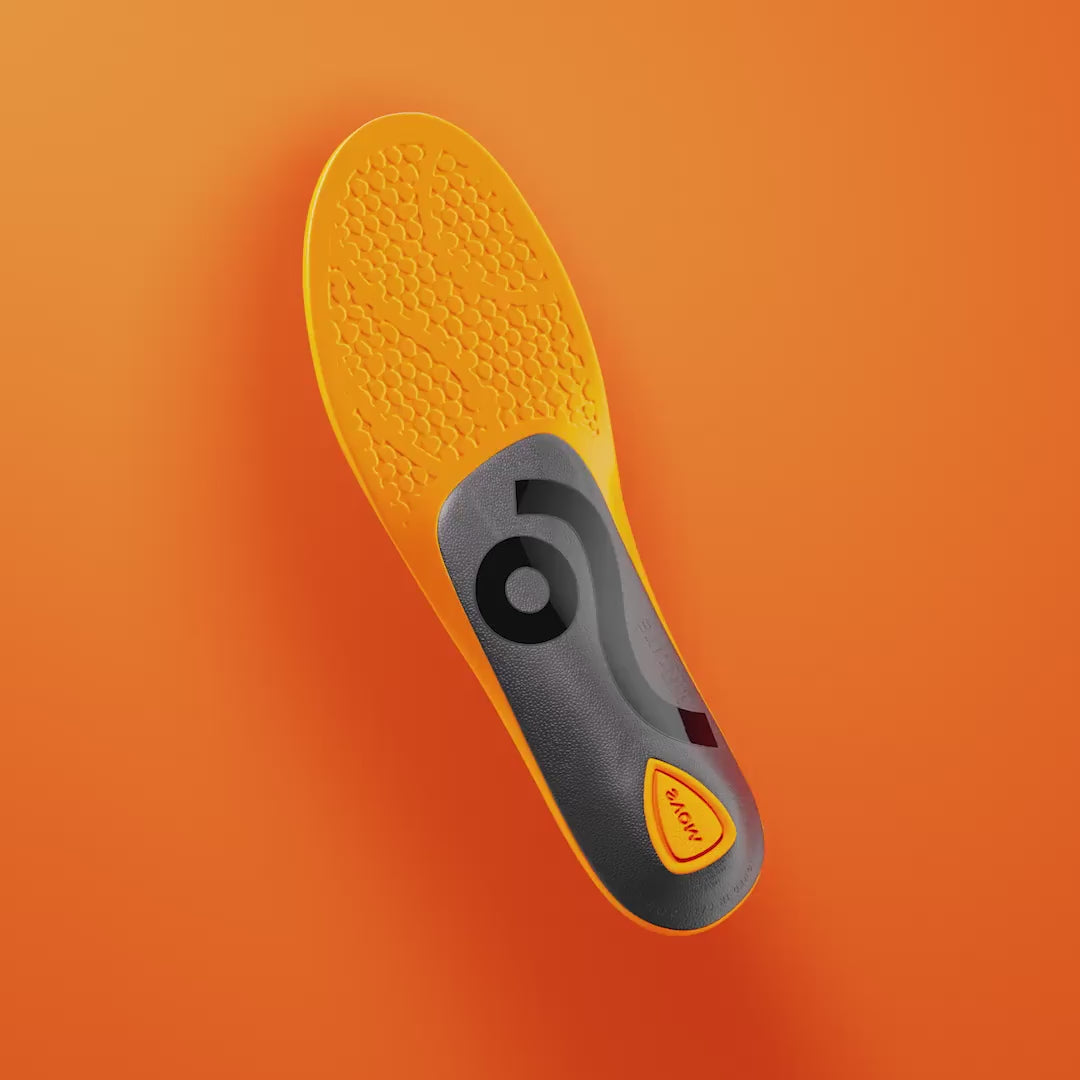
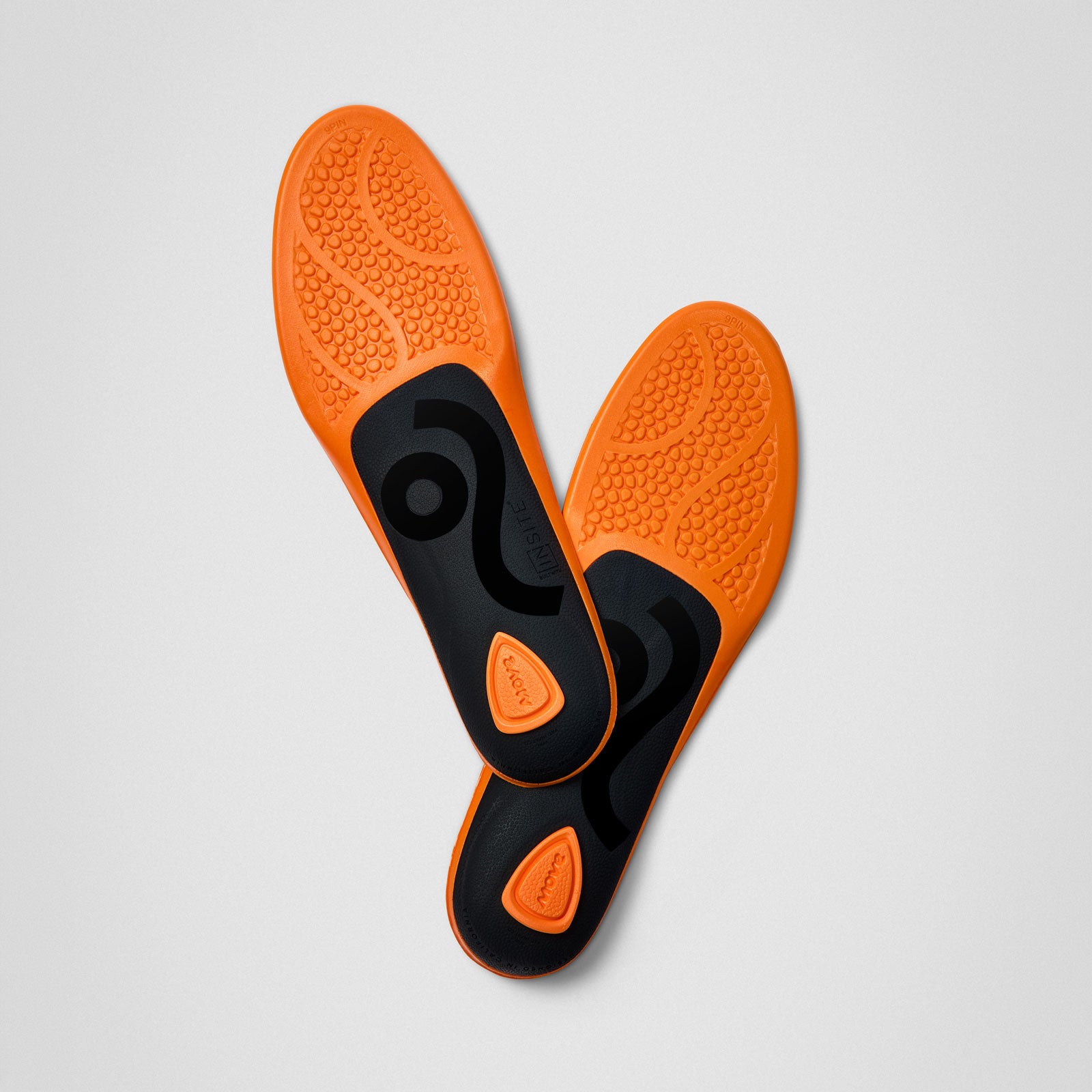
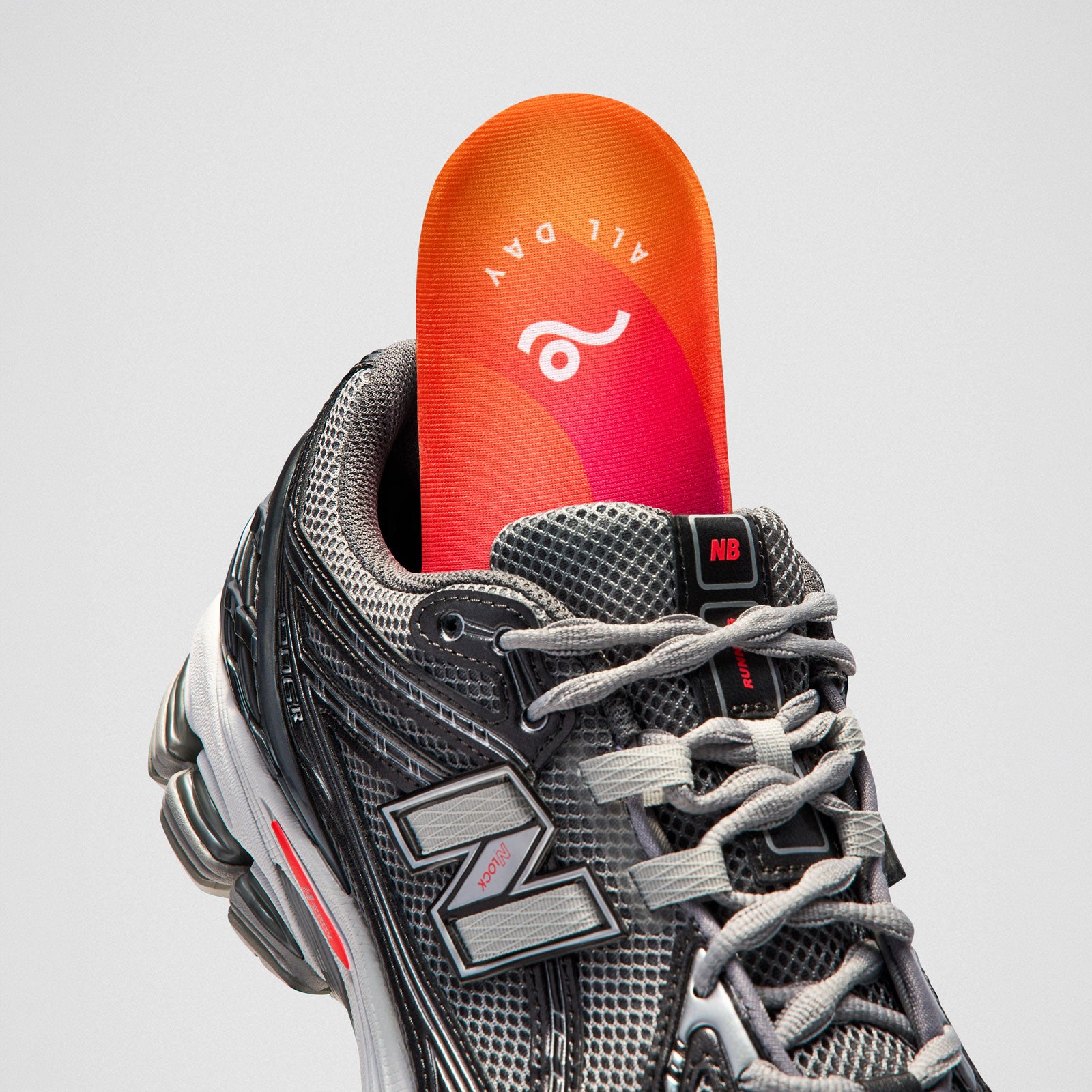
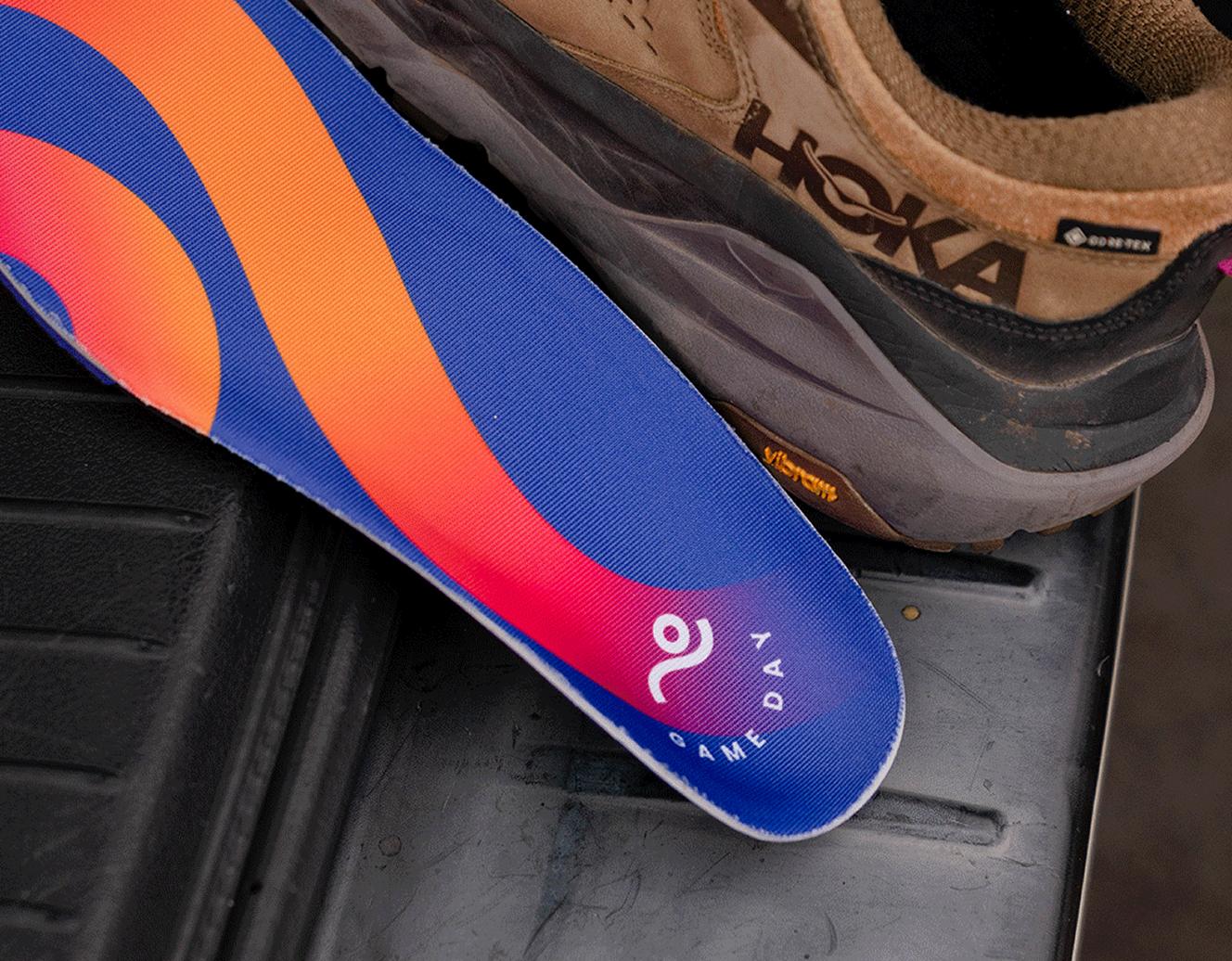
Cushioned heel zone absorbs road impact - less stress on knees and shins per stride
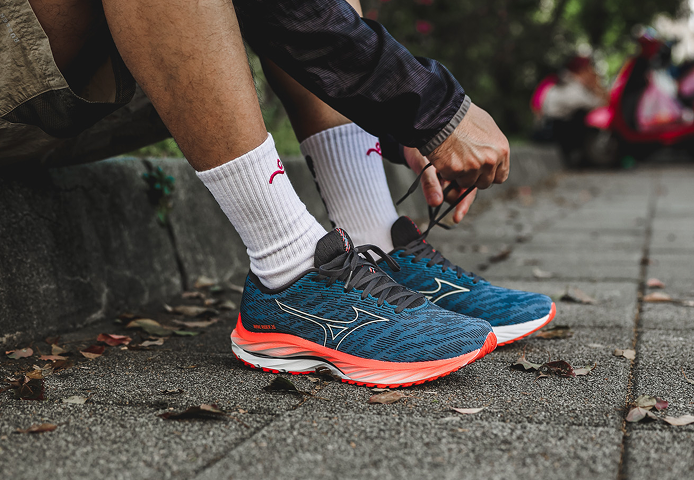

Running Collection
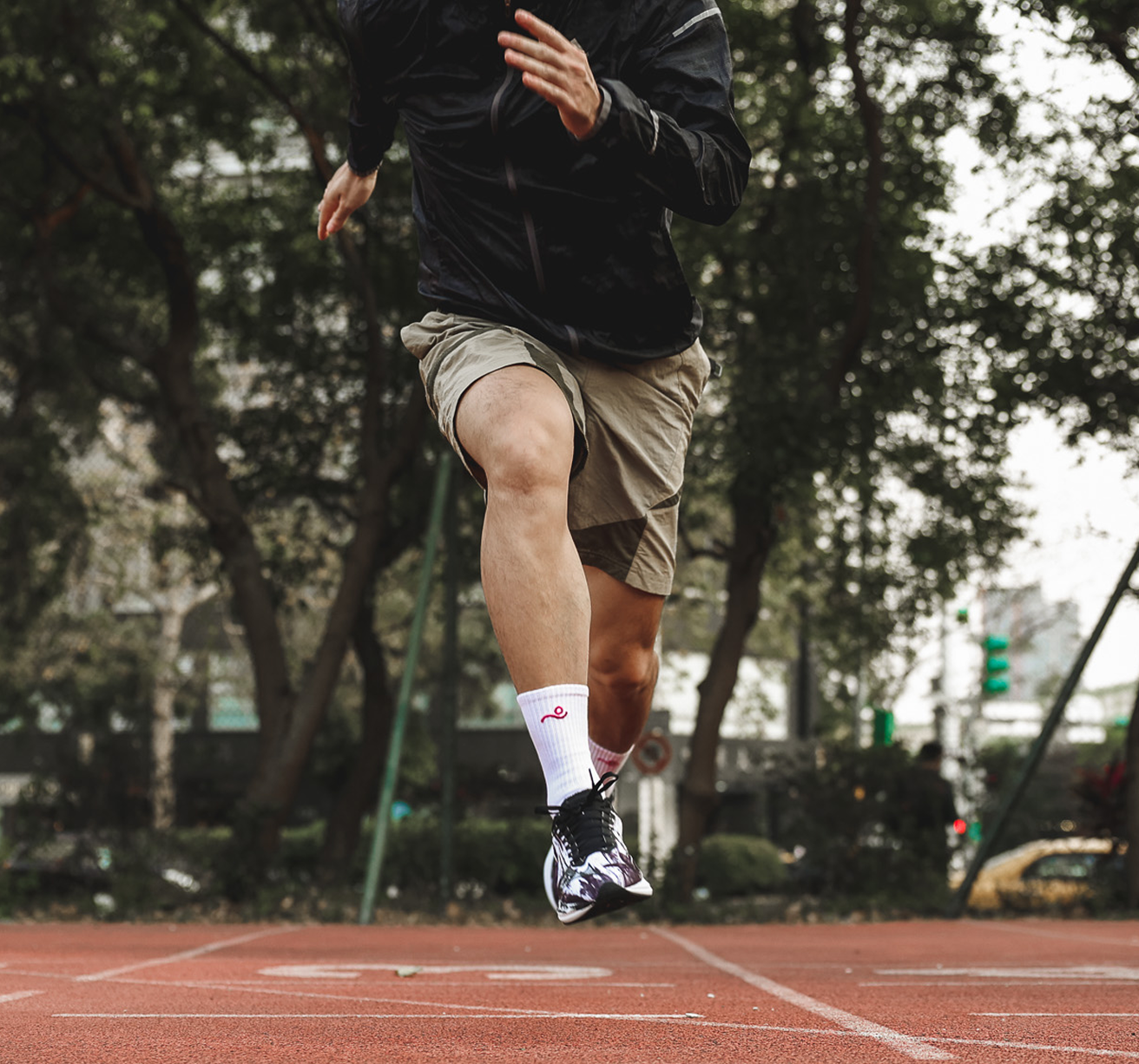
You don't need it, but running is one of the most repetitive high-impact activities you can put your body through. Even a short 30-minute run involves thousands of individual foot strikes, each one sending force up through your feet, ankles, and knees. Performance insoles and compression socks reduce that cumulative load so your body isn't paying for a casual run the next morning.
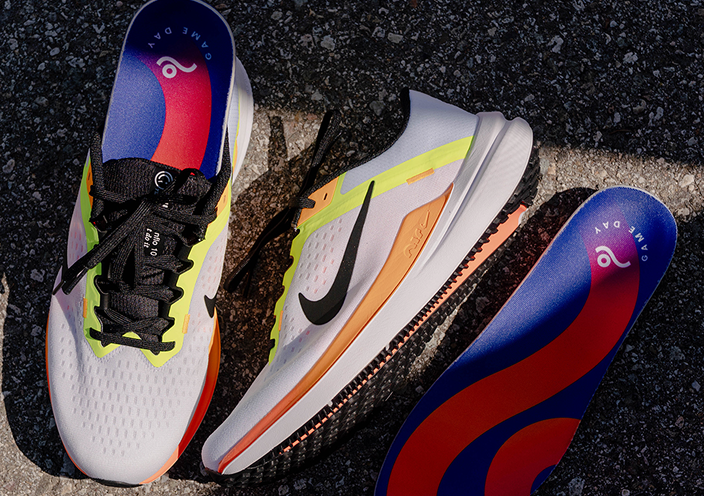
Yes. Move insoles replace the stock insole that comes with your shoe, fitting true to size with no cutting or trimming needed. They work across road shoes, trail shoes, and everyday trainers, so whether you're running park run on Saturday or commuting on foot during the week, the same support carries through.
Both, and wearing them after is half the benefit. During a run, graduated calf compression keeps blood circulating and reduces the heavy-leg feeling that sets in on longer distances. After a run, keeping them on accelerates the clearance of lactic acid from the calves - the muscle runners fatigue most and recover from slowest. Think of them as part of your cool-down, not just your kit.
Especially if you run infrequently, yes. Occasional runners often experience more soreness than regular ones because their bodies aren't conditioned to absorb the load of a full session. Performance insoles cushion the impact your feet aren't used to handling, while compression socks keep circulation moving so your legs feel fresher in the 24 hours after a run.
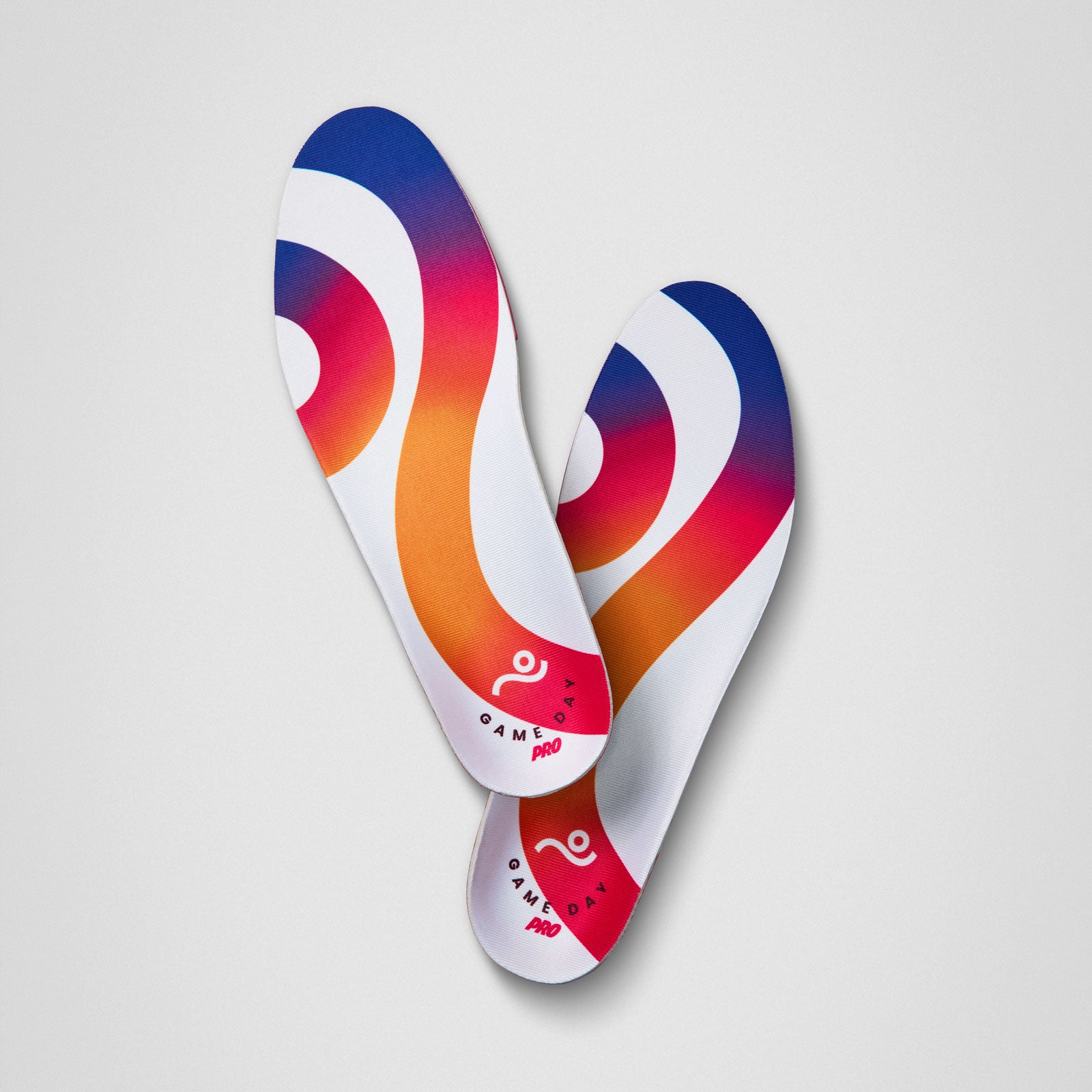
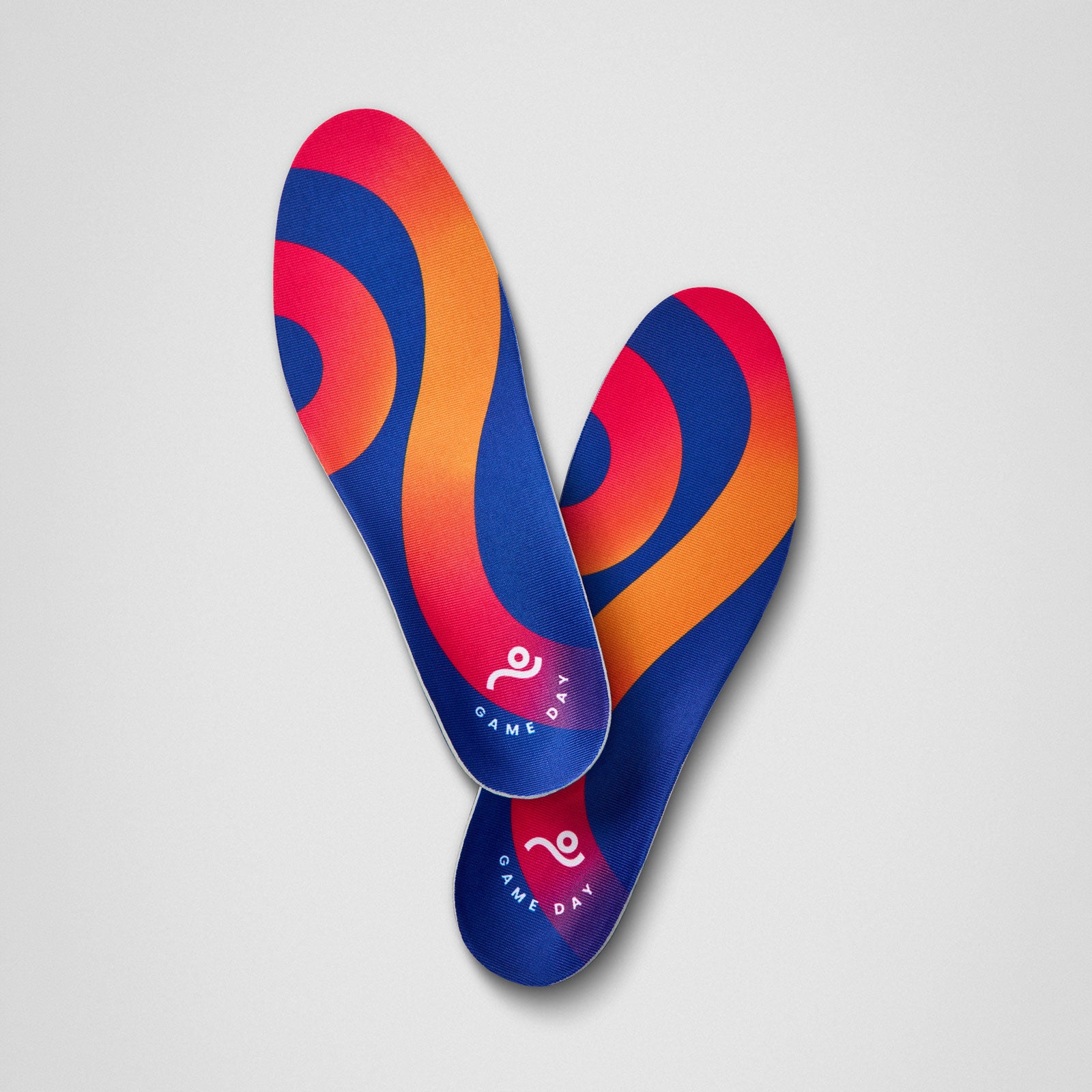
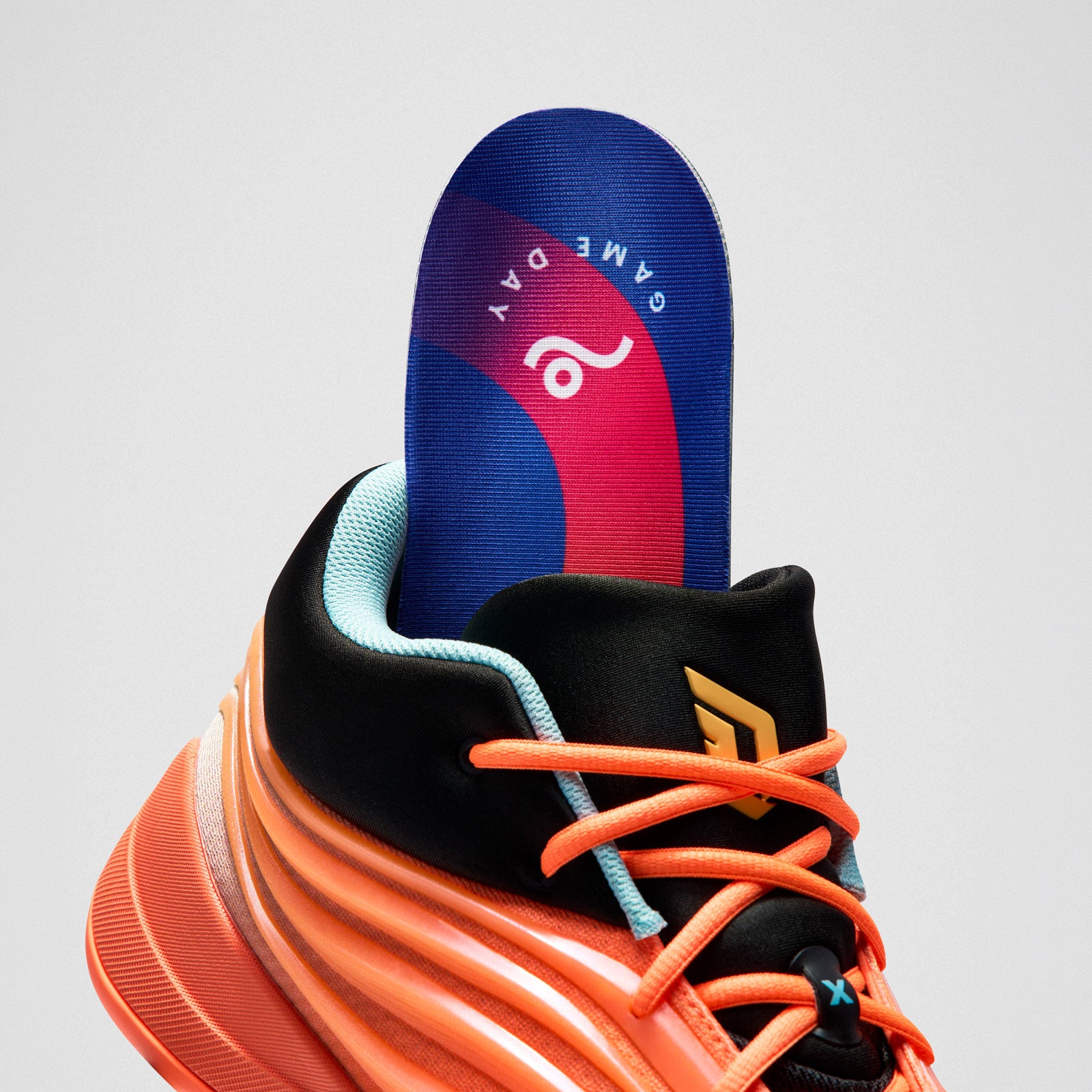
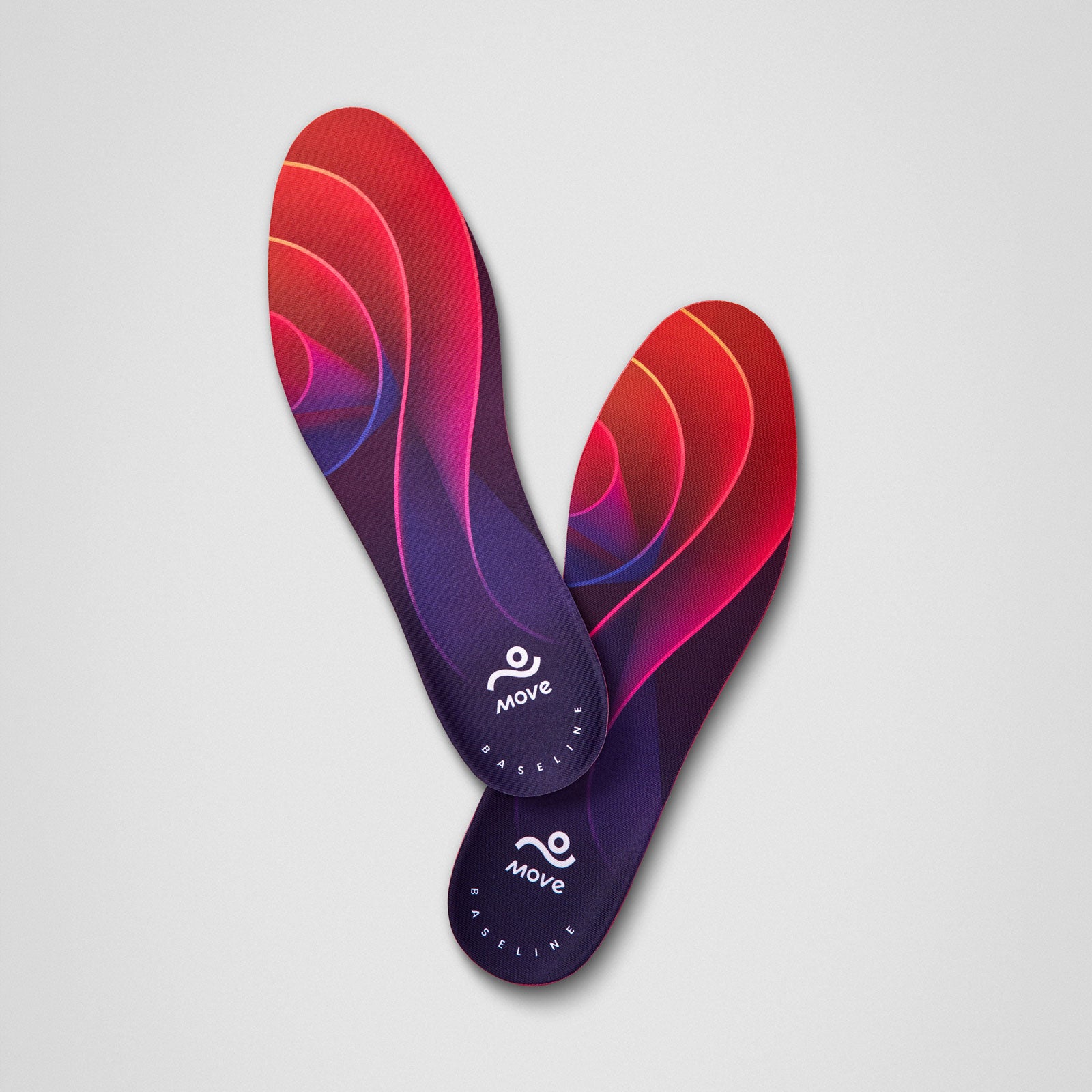
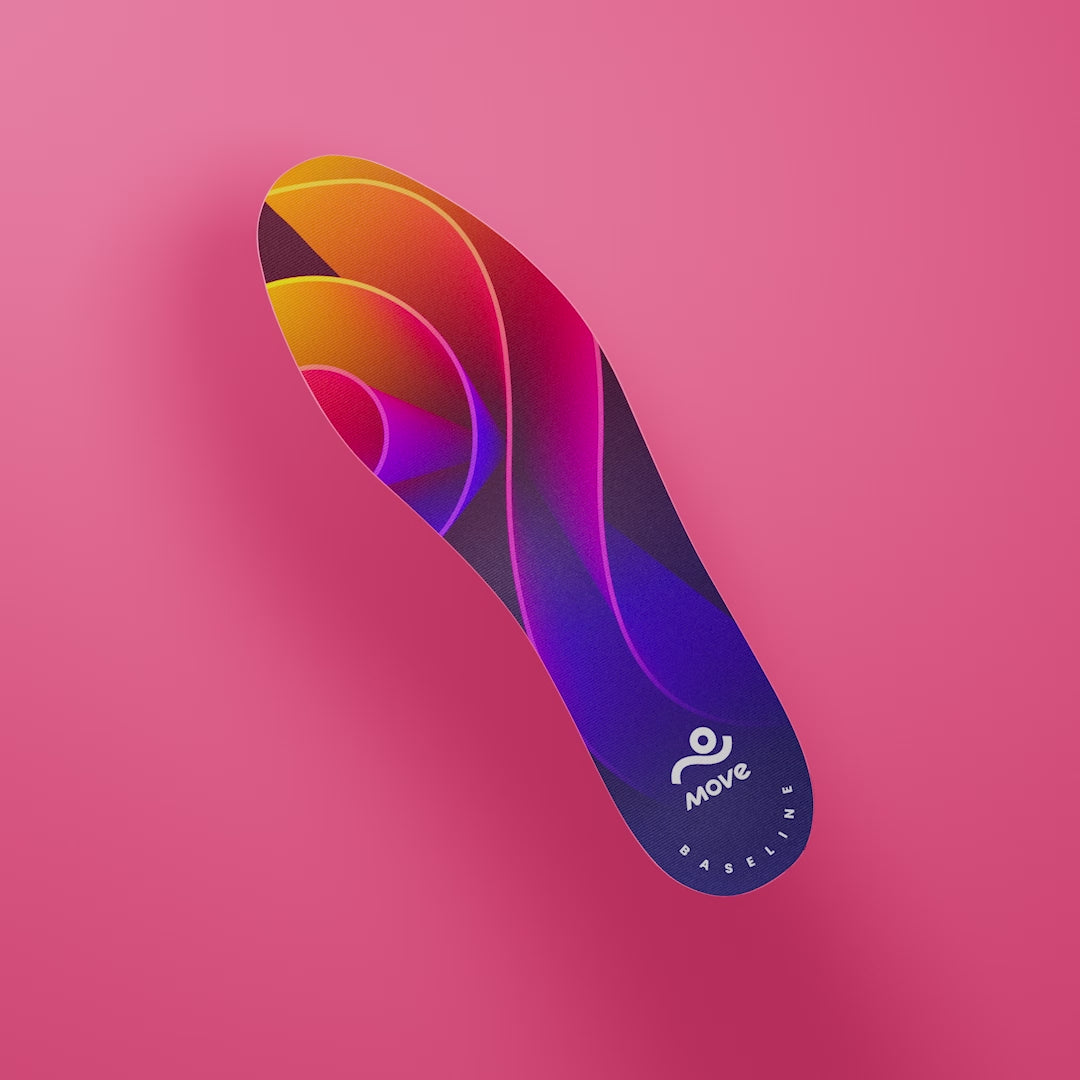
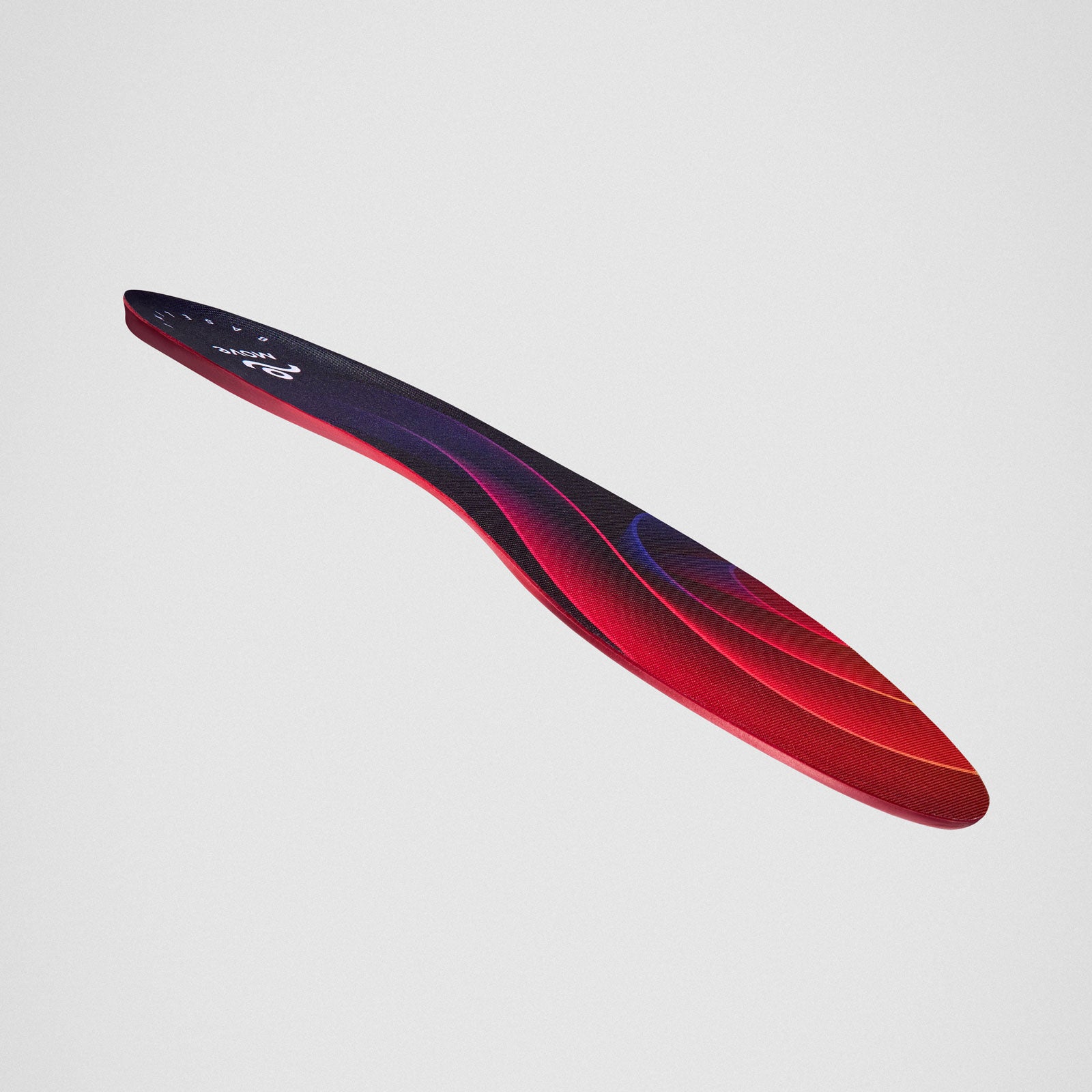
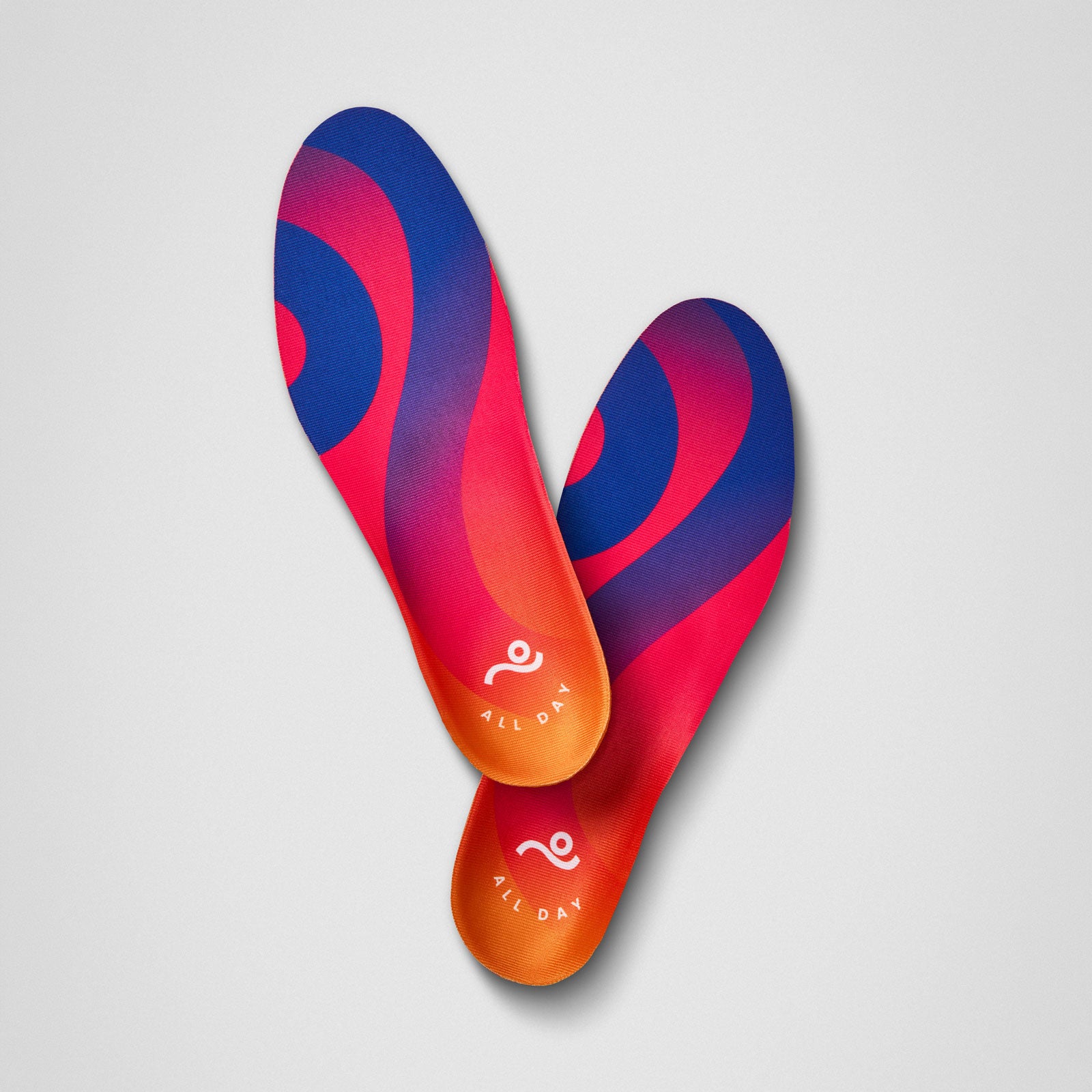
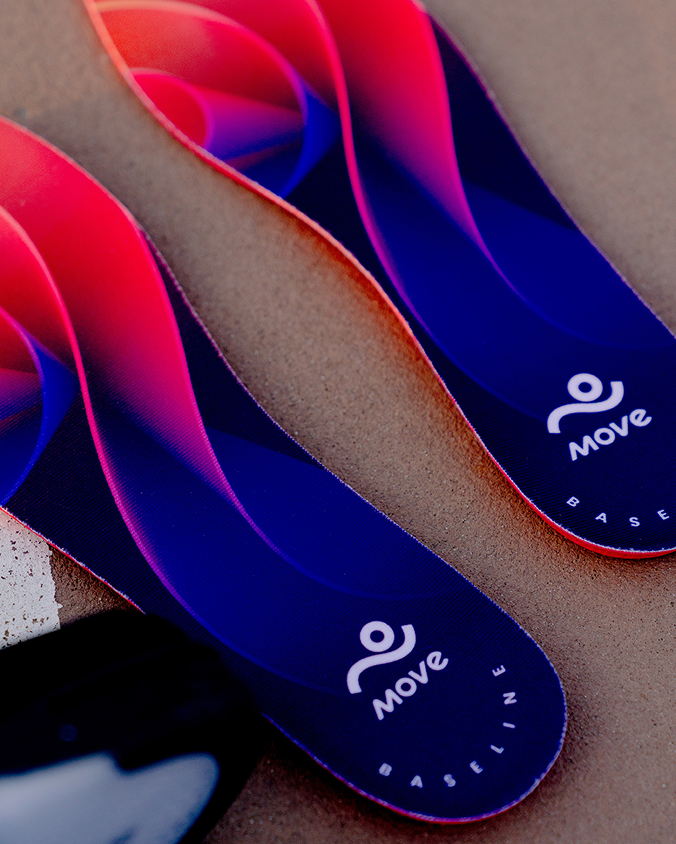
They solve different parts of the same problem. Game Day is your in-run insole for energy return, arch stability, and impact absorption while you're actually running. Baseline is your off-run insole for deep cushioning and plantar fascia relief for the hours spent on your feet between sessions. Used together, your feet stay supported around the clock, not just during the run itself. If you had to pick one, start with Game Day for the run and add Baseline when you're ready to take recovery seriously.
Both issues are common signs of cumulative load exceeding what your body is currently conditioned for. Compression Crew Lock Socks actively support calf circulation during and after runs, which helps manage the muscle fatigue that contributes to tightness. Game Day insoles reduce the impact travelling up from the foot on every stride, taking pressure off the shin. They won't replace rest or a gradual training build, but they meaningfully reduce the load your legs are dealing with every time you run.
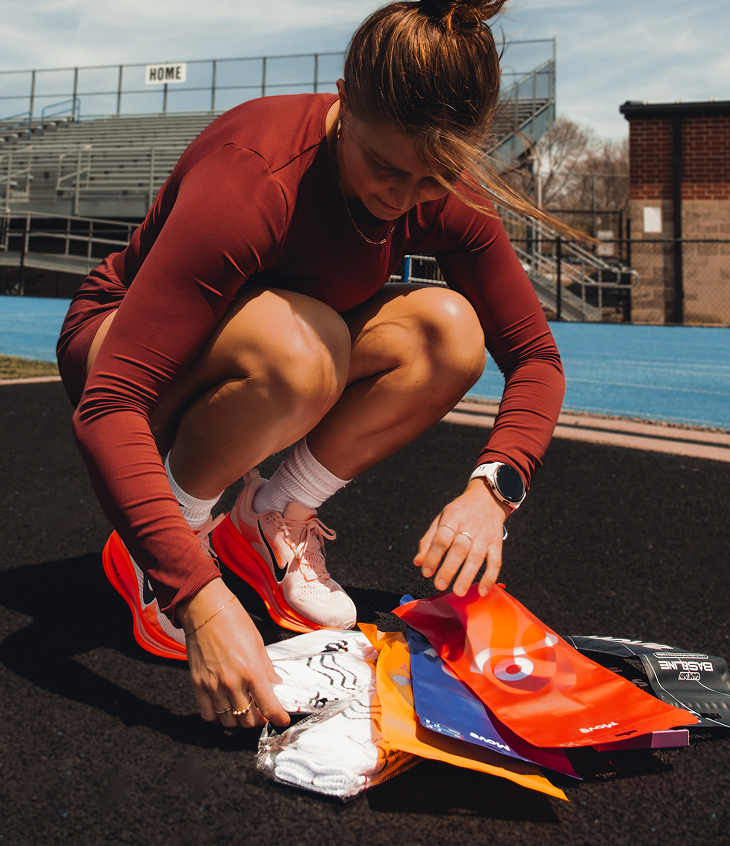
With three to four runs per week, Move insoles typically hold up for a full season before the cushioning and energy response starts to diminish. Good rule of thumb is to replace them when you'd replace your shoes. Compression Crew Lock Socks should be washed on a delicate cycle and air-dried to preserve the compression structure. Treat them like a technical fabric and they'll perform the way they should for considerably longer than a standard running sock.
Most running injuries don't arrive suddenly - they build quietly over weeks of accumulated load until something gives. Plantar fasciitis, shin splints, and knee pain are almost always the result of stress that went unmanaged for too long. Wearing the right support from the start means you're absorbing that load before it has a chance to compound, rather than managing the consequences of it after the fact.